

Products

HEPA Cartridge Filters
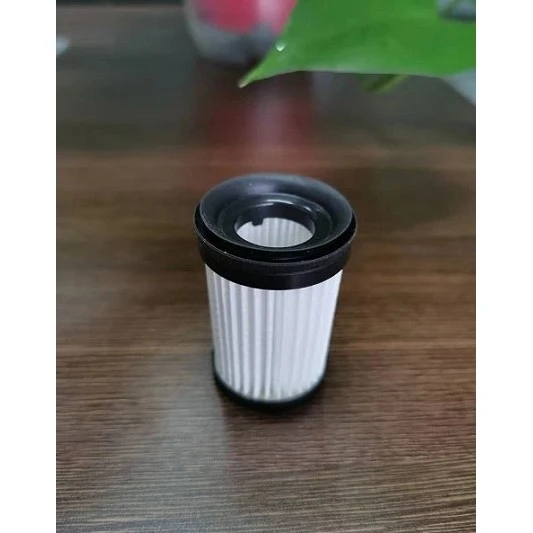
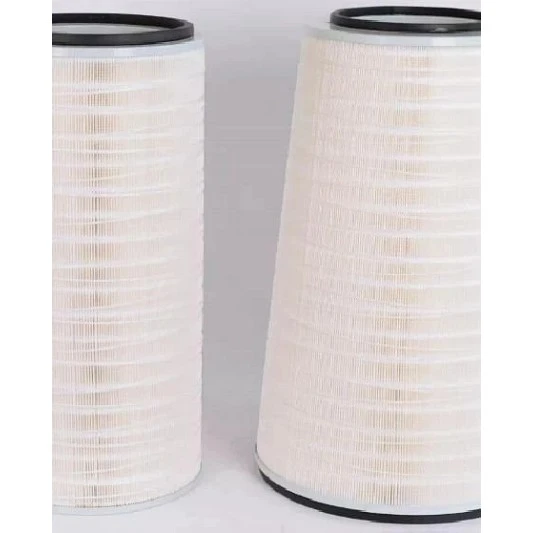
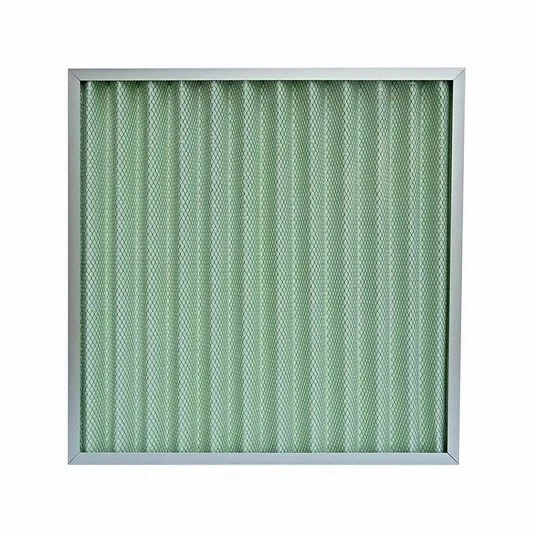
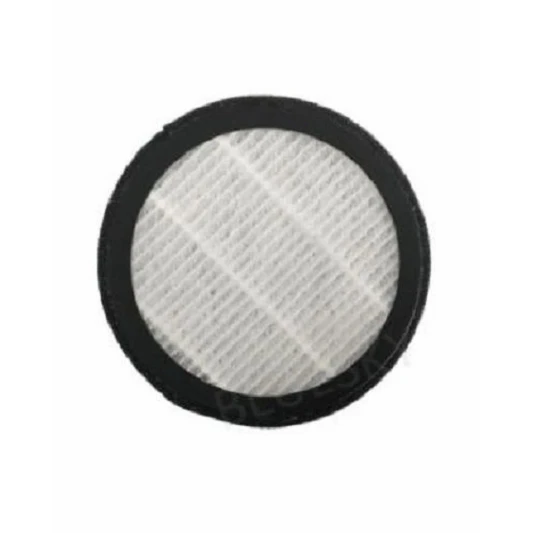
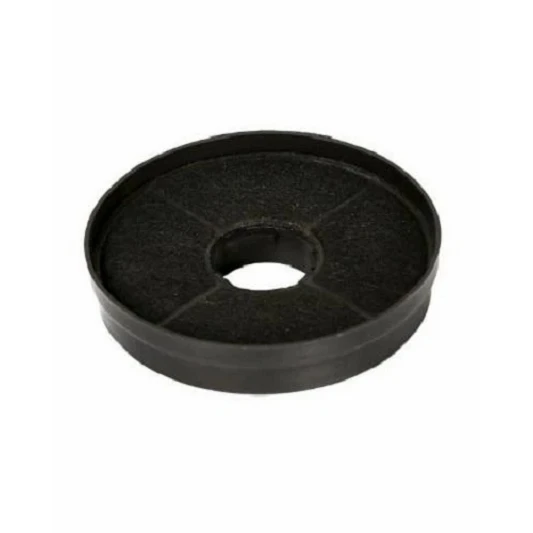
A HEPA (High-Efficiency Particulate Air) cartridge filter is a type of air filter used to remove airborne particles and contaminants from the air.
Features
Why Choose Us
State-of-the-Art Technology
Employs cutting-edge purification technologies to provide advanced solutions that meet the highest industry standards.
Custom Solutions
The company offers bespoke purification systems tailored to meet the unique requirements of each client's application.
Environmental Focus
The company is committed to sustainable practices and offers eco-friendly purification solutions that minimize environmental impact.
Expertise
With a team of experienced professionals, provides expert advice and support throughout the entire lifecycle of its products.
What is a HEPA cartridge filter?
A HEPA (High-Efficiency Particulate Air) cartridge filter is a type of air filter used to remove airborne particles and contaminants from the air.




Advantages of HEPA Cartridge Filters
High Filtration Efficiency: HEPA filters are capable of removing at least 99.97% of particles that are 0.3 micrometers in diameter from the air that passes through them, making them extremely effective at capturing a wide range of airborne contaminants, including dust, pollen, mold spores, bacteria, and even certain viruses.
Improved Indoor Air Quality: The use of HEPA cartridge filters in HVAC systems or standalone air purifiers significantly improves the quality of indoor air, providing a healthier living or working environment, especially beneficial for people with allergies, asthma, or other respiratory conditions.
Protection Against Hazardous Materials: In industrial settings, HEPA cartridge filters protect workers from inhaling harmful substances such as asbestos fibers, lead particles, and other toxic materials that can be present during manufacturing or handling processes.
Enhanced Product Quality: In environments that require strict control over airborne particulates, such as cleanrooms for pharmaceuticals or electronics manufacturing, HEPA filters ensure that products are not contaminated, leading to higher quality end results.
Energy Efficiency: While HEPA filters are more efficient at capturing particles, they also allow for a higher flow rate without sacrificing efficiency, which means they can be integrated into systems without causing a significant increase in energy consumption.
Durable Design: The pleated structure of HEPA cartridge filters maximizes their surface area and provides a sturdy framework that can withstand the forces of airflow without collapsing or losing efficiency over time.
Ease of Maintenance: HEPA cartridges are generally easy to replace, and the design of many systems allows for quick removal and installation of new filters, minimizing downtime and ensuring continuous operation of the filtration system.
Versatility in Application: HEPA cartridge filters can be used in a variety of systems and settings, ranging from portable air purifiers to industrial filtration units, making them a versatile solution for different air quality challenges.
Where are HEPA cartridge filters commonly used?
Industrial Environments: They are used to capture airborne contaminants such as metal shavings, welding fumes, wood dust, and other particulate matter generated during manufacturing and fabrication processes.
Pharmaceutical Production: In cleanrooms and controlled environments, HEPA cartridge filters help maintain the purity of air to prevent contamination of drug products and medical devices.
Healthcare Facilities: Used in operating rooms, isolation rooms, and patient care areas to prevent the spread of airborne pathogens and to provide a sterile environment.
Aerospace and Electronics Manufacturing: High precision is required in these industries, and HEPA cartridge filters help keep the air clear of dust and other particles that could damage sensitive components or disrupt manufacturing processes.
Automotive Industry: During painting and coating operations, HEPA filters remove overspray and volatile organic compounds (VOCs), ensuring both worker safety and product quality.
Laboratory Settings: Research laboratories use HEPA cartridge filters to contain hazardous materials and to prevent cross-contamination between different work areas.
Painting and Sanding Operations: To capture airborne paint particles, solvents, and sawdust generated during these activities.
HVAC Systems: In commercial and residential buildings, HEPA cartridge filters are used in heating, ventilation, and air conditioning systems to enhance overall air quality.
Portable Air Purifiers: Designed for homes and offices, these purifiers use HEPA cartridge filters to remove allergens, smoke, and other pollutants from the indoor air.
Vacuum Cleaners: High-end vacuum cleaners incorporate HEPA cartridge filters to trap dust and allergens, preventing them from being recirculated into the breathing space.
Containment Booths and Enclosures: Used for tasks that involve hazardous materials, such as asbestos abatement or chemical handling, to prevent contaminants from escaping into the surrounding environment.
Aircraft and Military Applications: HEPA cartridge filters are utilized in the air filtration systems of military vehicles and aircraft to protect personnel from biological and chemical threats.
How does a HEPA Cartridge Filters work?
A HEPA (High Efficiency Particulate Air) cartridge filter is a highly effective filtration device commonly used in air purifiers, vacuum cleaners, and HVAC systems. It works by trapping very small particles and allergens, making the air cleaner and safer to breathe. Here is how a HEPA cartridge filter works:
Filtration mechanism: A HEPA cartridge filter consists of a dense mat of extremely fine fibers arranged in a pleated design. The fibers are typically made of a glass-like material or synthetic fibers with similar qualities.
Particle capture: When air passes through the filter, any particles suspended in the air come into contact with the fibers. The small size of the fibers, combined with their large surface area, allows them to trap particles as small as 0.3 micrometers with high efficiency.
Mechanical filtration: The most significant mechanism of particle capture in a HEPA cartridge filter is mechanical filtration. As the air moves through the filter, particles collide with the fibers and are physically captured. This process prevents these particles from circulating back into the environment.
Diffusion: Another mechanism of particle capture in a HEPA cartridge filter is diffusion. Very small particles, less than 0.1 micrometers in size, are subject to random movements due to air molecules. These small particles collide with the fibers and get trapped, further enhancing the filtration efficiency.
Interception: Particles larger than 0.1 micrometers may not follow the chaotic path of diffusion but tend to move in straighter lines. These particles can be intercepted and trapped by the fibers as they pass through the filter.
Impaction: Particles larger than 0.4 micrometers tend to have too much mass to be easily diverted by air currents. These particles may collide with the fibers and get embedded, a process called impaction.
Multiple filtration layers: Most HEPA cartridge filters consist of multiple layers of filtration media. Each layer is designed to trap particles of different sizes, ensuring a higher efficiency overall.
Filter efficiency: HEPA cartridge filters need to meet strict standards to be labeled as true HEPA filters. They must have a minimum filtration efficiency of 99.97%, meaning they can capture 99.97% of particles as small as 0.3 micrometers.
Regular maintenance: To keep a HEPA cartridge filter working effectively, regular maintenance is necessary. It is recommended to change or clean the filter as per the manufacturer's instructions to prevent clogging and maintain optimal performance.
Factors to consider when purchasing HEPA Cartridge Filters


Filtration Efficiency: The primary purpose of HEPA cartridge filters is to remove airborne particles from the air. It is essential to consider the filtration efficiency of the filter before making a purchase. Look for filters that can remove at least 99.97% of particles that are 0.3 micrometers in size or larger.
Size and Fit: HEPA cartridge filters come in various sizes and shapes. Make sure to choose a filter that fits properly into your specific air purifier or HVAC system. Incorrectly sized filters may not be effective in capturing particles, and they can reduce the overall performance of the filtration system.
Lifespan: Consider the lifespan of the HEPA cartridge filter before buying. Some filters may need to be replaced more frequently than others, depending on factors such as air quality and usage. Look for filters that offer a longer lifespan to minimize replacement costs and maintenance efforts.
Maintenance Requirements: Check the maintenance requirements for the HEPA cartridge filters. Some filters may need regular cleaning, while others are disposable and require replacement. Consider your preference and ability to maintain the filter accordingly.
Price: HEPA cartridge filters can vary significantly in price, depending on the brand, quality, and features. Consider your budget and find a balance between cost and performance. Cheaper filters may not provide the same level of filtration efficiency or longevity as higher-priced options.
Noise Level: Some HEPA cartridge filters may produce noise when operating. If noise is a concern, look for filters that offer quiet operation to ensure a peaceful environment.
Environmental Impact: Consider the environmental impact of the HEPA cartridge filters you are purchasing. Look for filters that are eco-friendly, such as those made from recycled materials or that are energy-efficient.
Brand Reputation: Research the reputation of different brands before making a purchase. Look for brands that are known for producing high-quality, reliable, and durable HEPA cartridge filters. Reading customer reviews and ratings can offer insights into the performance and reliability of different filters.
Check for Damage: Inspect the filter for any signs of physical damage, such as tears, punctures, or deformations. Any visible damage can compromise the filter's performance.
Monitor Pressure Differential: Use a manometer or differential pressure gauge to monitor the pressure drop across the filter. A sudden increase in pressure drop can indicate that the filter is becoming clogged and may need to be replaced or cleaned.
Follow Recommended Replacement Schedule: Adhere to the manufacturer's recommended schedule for replacing the filter. Even if the filter appears clean, it can still lose efficiency over time due to the accumulation of small particles that are not easily visible.
Use Pre-Filters: Install pre-filters upstream of the HEPA filter to trap larger particles. This extends the life of the HEPA filter and reduces the frequency of replacements.
Handle with Care: When removing or installing the filter, handle it gently to avoid bending or damaging the pleats. Do not touch the media with your hands, as oils and dirt from skin can reduce its efficiency.
Ensure Proper Sealing: After installation, verify that the filter is securely seated in its housing and that all seals are intact. Leaks around the filter can allow unfiltered air to enter the system.
Record Maintenance Activities: Keep a log of all maintenance activities, including dates of inspections, replacements, and any issues encountered. This information can help identify trends and predict future maintenance needs.
Train Staff: Ensure that staff members responsible for filter maintenance are trained on proper handling and installation procedures. Improper installation can lead to reduced filter performance or failure.
Regular Cleaning (if applicable): Some types of HEPA filter cartridges can be cleaned and reused according to the manufacturer's instructions. However, not all filters are designed for this, so always follow the manufacturer's guidelines.
Comply with Regulations: If the filter is used in a regulated industry, ensure that maintenance activities comply with relevant standards and guidelines to maintain certification and compliance.
Things to Note When Using HEPA Cartridge Filters
Compatibility with System: Ensure that the HEPA cartridge filter is compatible with your specific filtration system or equipment. The size, shape, and connection points must match to ensure proper installation and sealing.
Flow Rate Specifications: Check the manufacturer's recommended flow rate for the filter. Operating at or below this rate helps maintain efficiency and prevents premature wear on the filter media.
Pre-Filtration: Use pre-filters to capture larger particles before they reach the HEPA cartridge. This extends the life of the HEPA filter and reduces the load, allowing it to perform more efficiently for longer.
Pressure Drop: Monitor the pressure drop across the filter regularly. An increase in pressure drop indicates that the filter is becoming clogged and needs to be replaced or cleaned if possible.
Replacement Schedule: Follow the manufacturer's guidelines for replacing the HEPA cartridge filter. Regular replacement is necessary to maintain efficiency and to avoid potential system failures due to a clogged filter.
Proper Handling: HEPA filters should be handled carefully to avoid damaging the media. Do not fold, bend, or apply excessive force to the filter, as this can compromise its integrity and reduce its effectiveness.
Disposal and Recycling: Properly dispose of used HEPA filters, especially those that have been exposed to hazardous materials. Some filters can be recycled, so check with local recycling programs or the manufacturer for guidance on disposal.
Maintenance Access: Ensure that the location of the filter allows for easy access for routine inspections, cleaning (if applicable), and replacement.
Sealing and Integrity: After installation, inspect the filter to ensure it is properly sealed within the housing. Gaps or leaks will compromise the filter's ability to trap particles effectively.
Regulatory Compliance: If the filter is used in an application that requires adherence to specific regulations or standards (e.g., pharmaceutical manufacturing or healthcare facilities), ensure that the filter meets the necessary requirements.
Certifications


Our Factory
Equipped with one advanced automatic and two semi-automatic production lines to implement the lean manufactory. It has testing equipment as well to guarantee the correct specification in the R&D stage and high-quality daily shipments.

FAQ
Q: What is a HEPA cartridge filter?
Q: How does a HEPA cartridge filter work?
Q: What are the benefits of using a HEPA cartridge filter?
Q: What types of contaminants can be captured by a HEPA cartridge filter?
Q: Where are HEPA cartridge filters commonly used?
Q: How often should a HEPA cartridge filter be replaced?
Q: How can I tell if my HEPA cartridge filter needs to be replaced?
Q: Can a HEPA cartridge filter remove odors?
Q: Do HEPA cartridge filters remove viruses like COVID-19?
Q: Are all HEPA cartridge filters the same?
Q: Can I clean and reuse my HEPA cartridge filter?
Q: How much do HEPA cartridge filters cost?
Q: Can I use a HEPA cartridge filter in my car?
Q: Can a HEPA cartridge filter help with allergies?
Q: Are HEPA cartridge filters loud?
Q: Are HEPA cartridge filters eco-friendly?
Q: Can a HEPA cartridge filter remove volatile organic compounds (VOCs)?
Q: How long does it take for a HEPA cartridge filter to start working?
Q: Can a HEPA cartridge filter eliminate cigarette smoke?
Q: How do I choose the right HEPA cartridge filter for my needs?
Hot Tags: hepa cartridge filters, China hepa cartridge filters manufacturers, suppliers, factory, ultraviolet water filter, vacuum cleaner brush roller, water filters, room ionizer air purifier, exhaust hepa filter, microplastic water filter
No Information
You Might Also Like


Send Inquiry
