

PU Products
Your Leading PURO Purification Technology (Suzhou) Co., Ltd Supplier
PURO Purification Technology (Suzhou) Co., Ltd established in year 2008, is a professional factory specialized in filtration products such as HEPA filters, UEPA filters, Multimedia filters, Brush roller, PU related products etc. PURO covers an area of 2600 square meters with a total investment of 10 million CNY. We have 118 employees now with 6 professional technical engineers and R&D engineers
Why choose us
Quality control
It has testing equipment as well to guarantee the correct specification in the R&D stage and high-quality daily shipments.
Technology support
We have 118 employees now with 6 professional technical engineers and R&D engineers.
Advanced equipment
Equipped with one advanced automatic and two semi-automatic production lines to implement the lean manufactory.
Rich experience
Established in 2008, it has more than 14 years experience industry.
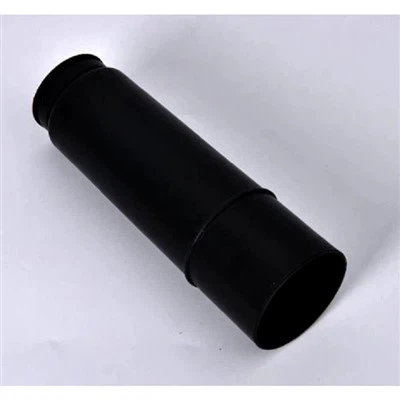
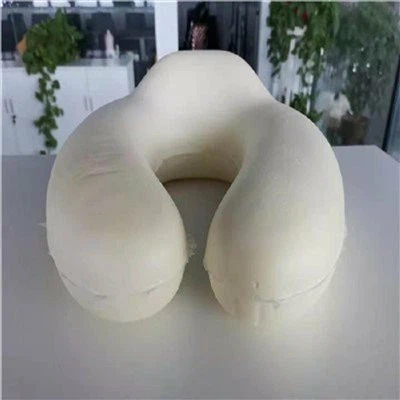


Polyurethane products are often molded into foam that can serve for a variety of uses for human comfort. This foam can differ in terms of density, firmness, durability, and quality. A higher density and quality equates to a higher price.

1.Wide range of hardness
The classification of hardness for polyurethane relies on the prepolymer's molecular structure and can be manufactured from 20 SHORE A to 85 SHORE D
2.High load bearing capacity
Polyurethane has a high load capacity in both tension and compression. Polyurethane may undergo a change in shape under a heavy load, but will return to its original shape once the load is removed with little compression set in the material when designed properly for a given application.
3.Flexibility
Polyurethanes perform very well when used in high flex fatigue applications. Flexural properties can be isolated allowing for very good elongation and recovery properties.
4.Abrasion & impact resistance
For applications where severe wear prove challenging, polyurethanes are an ideal solution even at low temperatures.
5.Tear resistance
Polyurethanes possess high tear resistance along with high tensile properties.
6.Resistance to water, oil & grease
Polyurethane's material properties will remain stable (with minimal swelling) in water, oil and grease. Polyether compounds have the potential to last many years in subsea applications.
7.Electrical properties
Polyurethanes exhibit good electrical insulating properties.
8.Wide resiliency range
Resilience is generally a function of hardness. For shock-absorbing elastomer applications, low rebound compounds are usually used (i.e. resilience range of 10-40%). For high frequency vibrations or where quick recovery is required, compounds in the 40-65% resilience are used. In general, toughness is enhanced by high resilience.
9.Strong bonding properties
Polyurethane bonds to a wide range of materials during the manufacturing process. These materials include other plastics, metals and wood. This property makes polyurethane an ideal material for wheels, rollers and inserts.
10.Performance in harsh environments
Polyurethane is very resistant to extreme temperature, meaning harsh environmental conditions and many chemicals rarely cause material degradation.
11.Mold, mildew & fungus resistance
Most polyether based polyurethanes do not support fungal, mold and mildew growth and are therefore highly suitable for tropical environments. Special additives can also be added to reduce this in polyester materials as well.
12.Color ranges
Varying color pigments can be added to polyurethane in the manufacturing process. Ultraviolet shielding can be incorporated into the pigment to provide better color stability in outdoor applications.
13.Economical manufacturing process
Polyurethane is often used to manufacture one-off parts, prototypes or high volume, repeat production runs. Size ranges vary from a couple grams to 2000lb parts.
14.Short production lead times
Compared to conventional thermoplastic materials polyurethane has a relatively short lead time with significantly more economical tooling costs.
Types of PU Products
Flexible polyurethane foam: This type of polyurethane is most commonly used as a cushioning or protective material. It is found in furniture, mattresses and bedding, and vehicle interiors. It makes up about 30 percent of the polyurethane sales in North America.
It can be shaped into any form, flexibility, and durability. It is comfortable, lightweight, and supportive. After it has been shaped, it will return to the set shape after being slept on, sat on, or pushed into.
Rigid polyurethane foam: These foams are used in commercial and residential insulation because it is energy-efficient and versatile. This foam keeps buildings cool in the summer and warm in the winter. It also dampens exterior noises.
Binders: These polyurethanes are used to bind different materials and are commonly used in wood panels, flooring materials, and sand casting. Carpet underlays use binders. Construction materials like joists and structural sheathing are strong because of binders. They are also commonly used in many manufactured housing components.
Coatings, adhesives, sealants, and elastomers (case): Polyurethanes are commonly used to cover or seal different products. This collection of polyurethanes are called CASE and they are used to increase the durability and lifespan of various products.
They create tight bonds between different products, and they can seal products that need to be air- or water-tight. The CASE polyurethanes can be molded into any shape and they are lightweight with notable durability and environmental resistance.
Reaction injection molding (RIM): RIM molding is used for items like car bumpers and computer enclosures. This type of polyurethane is used when injecting molding isn’t enough. It can have different wall strengths and sizes. It can also make parts that have strength with low weight.
RIM parts usually have dimensional stability with dynamic properties, which are popular with sporting goods, furniture, and automotive manufacturers.
Thermoplastic (TPU): This type of polyurethane can be used in many construction and automotive applications. It is elastic, flexible, and abrasive-resistant. It also withstands a range of temperatures and impacts.
TPUs are popular with manufacturers because they can be customized into different colors and shapes. TPUs can be extruded, injected, blown, or compressed.
Waterborne polyurethane dispersions (PUDs): This type of polyurethane is used as coatings or adhesives, but with a water-based solvent. These have become popular in place of volatile organic compounds and hazardous air pollutants.
Application of PU Products
Furniture, bedding, and seating
Polyurethane products are often molded into foam that can serve for a variety of uses for human comfort. This foam can differ in terms of density, firmness, durability, and quality. A higher density and quality equates to a higher price (often sold by the quarter inch, by sheet). Softer, temporary material is often used for short-term uses, such as baby mattresses, whereas the top-of-the-line tough luxurious foam is usually reserved for bay window cushions. Standard fabric car seats tend to use polyurethane, as it is both comfortable and durable.
Thermal Insulation
Low-density rigid polyurethane has a range of uses—one of the most useful is its thermal insulation application. During the construction of a building, insulating the walls with low-density rigid polyurethane can dramatically reduce heating and cooling bills by keeping the heat out during the summer, and in during the winter. This, in turn, cuts carbon emissions and helps decrease the negative impact of expending energy on the environment. Additionally, polyurethane tends to have a long-life span (well over five decades) and requires absolutely no maintenance. This makes it a choice material for anyone building a new home.
Elastomers
Polyurethane can be used in the form of elastomers. Elastomers can be found in a number of products, from gaskets to paint rollers to gel pads. Elastomers are defined by two properties: resiliency and elasticity. In the form of gel pads, for example, the material is able to contort to the shape and weight of the body put on it, while still maintaining a strong composition. Then, once the body has been lifted from it, the gel pad is able to return to its original shape. In this way, it is likewise flexible and capable of withstanding weight, giving it this unique functionality.
Footwear
Footwear, especially athletic footwear, is dependent on the special properties of polyurethane in order to provide a supportive and comfortable base. Often found in the midsole, its elastic properties allow for it to be bent and stretched through the foot’s natural motion. It ensures the test of time, returning to its original form after daily use. They will not melt if put into the wash, due to high heat resistance. In addition, they naturally protect against foot odor.
Straps
Polyurethane straps have a variety of uses. Given the general elasticity and strength of polyurethane, it makes it the ideal material for things like watch straps, where the wearer is looking for both comfort and flexibility. The potential strength of polyurethane products is evident in bungee cords, where a very thin, very long cord is capable of bearing the burden of very large weights.
Coatings
Polyurethane coatings allow a protective, ultra-thin coating over different materials, which allows for a longer lifespan and an improved look. When laying down a wooden floor, polyurethane allows the wood to maintain its look while still protecting against the elements (especially water-rot). On a car, the polyurethane gives a protective varnish that helps defend the body from scratches, dents, and general weather damage. The great advantage of polyurethane coating is that one treatment lasts an immense amount of time.
While polyurethane polymers are used for a vast array of applications, their production method can be broken into three distinct phases. First, the bulk polymer product is made. Next, the polymer is exposed to various processing steps. Finally, the polymer is transformed into its final product and shipped. This production process can be illustrated by looking at the continuous production of polyurethane foams.
● At the start of polyurethane foam production, the reacting raw materials are held as liquids in large, stainless steel tanks. These tanks are equipped with agitators to keep the materials fluid. A metering device is attached to the tanks so that the appropriate amount of reactive material can be pumped out. A typical ratio of polyol to diisocyanate is 1:2. Since the ratio of the component materials produces polymers with varying characteristics, it is strictly controlled.
● The reacting materials are passed through a heat exchanger as they are pumped into pipes. The exchanger adjusts the temperature to the reactive level. Inside the pipes, the polymerization reaction occurs. By the time the polymerizing liquid gets to the end of the pipe, the polyurethane is already formed. On one end of the pipe is a dispensing head for the polymer.
Processing
● The dispensing head is hooked up to the processing line. For the production of rigid polyurethane foam insulation, a roll of baking paper is spooled at the start of the processing line. This paper is moved along a conveyor and brought under the dispensing head.
● As the paper passes under, polyurethane is blown onto it. As the polymer is dispensed, it is mixed with carbon dioxide which causes it to expand. It continues to rise as it moves along the conveyor. (The sheet of polyurethane is known as a bun because it "rises" like dough.)
● After the expansion reaction begins, a second top layer of paper is rolled on. Additionally, side papers may also be rolled into the process. Each layer of paper contains the polyurethane foam giving it shape. The rigid foam is passed through a series of panels that control the width and height of the foam bun. As they travel through this section of the production line, they are typically dried.
● At the end of the production line, the foam insulation is cut with an automatic saw to the desired length. The foam bun is then conveyored to the final processing steps that include packaging, stacking, and shipping.
How to Maintain PU Products
Regular cleaning: Clean PU products regularly to remove dirt, dust, and stains. Use a mild soap or detergent mixed with water and a soft cloth or sponge. Gently wipe the surface in a circular motion, avoiding excessive scrubbing or rubbing.
Avoid harsh chemicals: Avoid using harsh chemicals, solvents, or abrasive cleaners on PU products as they can damage the material. Stick to mild cleaning solutions and test them on a small, inconspicuous area before applying them to the entire surface.
Protect from sunlight: PU products can be sensitive to prolonged exposure to direct sunlight, which can cause fading or discoloration. Keep PU items away from direct sunlight or use protective covers or curtains to shield them.
Prevent sharp objects: Avoid placing sharp objects or tools on PU surfaces as they can cause scratches or punctures. Be cautious when handling or using items near PU products to prevent accidental damage.
Avoid excessive moisture: PU is not completely waterproof, so it's important to avoid excessive moisture or prolonged exposure to water. Wipe off any spills or moisture immediately with a dry cloth to prevent absorption into the material.
Use protective coatings: Consider using a PU protectant or conditioner specifically designed for PU products. These products can help maintain the material's appearance, flexibility, and durability.
Store properly: When not in use, store PU products in a cool, dry place away from direct sunlight and extreme temperatures. Avoid folding or compressing PU items for extended periods, as this can cause creases or permanent damage.
Polyurethanes were invented back in the 1930s by Professor Dr. Otto Bayer (1902-1982). There are various types of polyurethanes, which look and feel very different from each other. They are used in a diversity of products, from coatings and adhesives to shoe soles, mattresses and foam insulation. However, the basic chemistry of each type is essentially the same.
Widespread use of polyurethanes was first seen during World War II, when they were utilised as a replacement for rubber, which at the time was expensive and hard to obtain. During the war, other applications were developed, largely involving coatings of different kinds, from aeroplane finishes to resistant clothing.
By the 1950s, polyurethanes were being used in adhesives, elastomers and rigid foams and, in the latter part of the same decade, flexible cushioning foams similar to those used today.
Subsequent decades saw many further developments and today we are surrounded by polyurethane applications in every aspect of our everyday lives. While polyurethane is a product that most people are not overly familiar with, as it is generally ‘hidden’ behind covers or surfaces made of other materials, it would be hard to imagine life without polyurethanes.
Polyurethane (PU) is a composite material made of: (1) one or more layers of polymer resins joined by urethane links; and (2) a woven or non-woven textile backing such as polyester, cotton, nylon, or ground leather. The PU coating is applied to a single side of the base fabric and then treated to look more like animal hide. This makes the fabric water resistant, light weight and flexible. This fabric provides the most realistic imitation of leather when it comes to its soft supple hand. When stitched, gathered, or tufted it actually “breaks” or wrinkles like real leather.
PU resins are made of a soft polymer and unlike vinyl don’t need added plasticizers. Because no plasticizers are used in PU upholstery there is no cracking or peeling, and it remains soft and supple for the duration of time it remains on the furniture. PU fabrics are also easier to decorate. PU is considered greener than vinyl because it does not create dioxins. PU costs less than real leather, but it can be more expensive to produce than vinyl.


Cases

FAQ
Q: Is PU plastic safe?
Q: Is PU the same as plastic?
Q: What is PU used for?
Q: What is PU plastic used for?
Q: Is PU BPA free?
Q: Is PU non toxic?
Q: Is PU safer than PVC?
Q: Is polyurethane less toxic than PVC?
Q: What is the safest plastic?
Q: What is the safest plastic to drink from?
Q: Which plastics are carcinogenic?
Q: How long does polyurethane last?
Q: Is polyurethane toxic in mattresses?
Q: Is polyurethane safe for babies?
Q: What is the most toxic chemical in plastic?
Q: Can you stay in a house after polyurethane?
Q: Does polyurethane ever stop off gassing?
Q: How do you air out a house after polyurethane?
Q: What are the side effects of polyurethane?
Q: How long does polyurethane give off VOCs?
As one of the leading pu products manufacturers and suppliers in China, we warmly welcome you to buy custom pu products made in China here from our factory. All OEM&ODM products are with high quality and competitive price.
limescale filter, hard water filter, iron filter