

Products

Pleated Water Filters
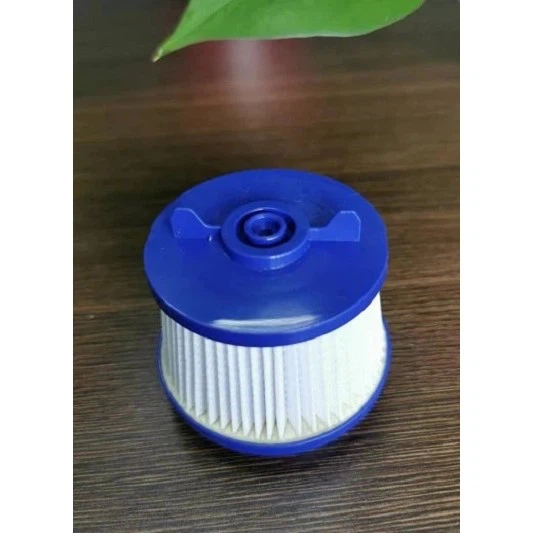
Pleated water filters are a type of filtration system commonly used in various applications, including industrial processes, residential water treatment, and commercial systems. They consist of a folded, accordion-like structure of filter media, usually made from synthetic materials such as polypropylene or cellulose, which increases the surface area available for filtration.
Features
Why Choose Us
State-of-the-Art Technology
Employs cutting-edge purification technologies to provide advanced solutions that meet the highest industry standards.
Custom Solutions
The company offers bespoke purification systems tailored to meet the unique requirements of each client's application.
Environmental Focus
The company is committed to sustainable practices and offers eco-friendly purification solutions that minimize environmental impact.
Expertise
With a team of experienced professionals, provides expert advice and support throughout the entire lifecycle of its products.
What is Pleated Water Filters?
Pleated water filters are a type of filtration system commonly used in various applications, including industrial processes, residential water treatment, and commercial systems. They consist of a folded, accordion-like structure of filter media, usually made from synthetic materials such as polypropylene or cellulose, which increases the surface area available for filtration.


What are the advantages of using a Pleated Water Filters?
Enhanced Filtration Efficiency: The pleated design significantly increases the surface area of the filter medium, allowing for more effective removal of contaminants. This means that more particles are trapped on the filter's surface as water passes through, resulting in cleaner water.
Lower Pressure Drop: The pleats help maintain a smooth flow of water, reducing turbulence and resistance compared to flat filters. This leads to a lower pressure drop across the filter, which can improve overall system performance and energy efficiency, particularly in applications where the filter is part of a larger pumping or HVAC system.
Extended Service Life: Because of the larger surface area and efficient flow characteristics, pleated filters can typically handle a higher volume of water before they become clogged or less efficient. This extends the filter's operational life, reducing the frequency of replacements and associated costs.
Compact Design: Despite the increased surface area, pleated filters can be relatively compact because of their folding structure. This makes them suitable for use in space-limited applications without sacrificing performance.
Versatility: Pleated filters come in various micron ratings and materials, making them adaptable to different filtration needs and contaminant types. Whether the goal is to remove sediment, chlorine, organic compounds, or other specific contaminants, there is often a pleated filter option that can meet those requirements.
Environmentally Friendly: Longer service life and the ability to clean rather than replace some types of pleated filters can result in less waste and a smaller environmental footprint.
Ease of Installation and Removal: Many pleated filters are designed with features that facilitate easy installation and removal, such as quick-connect fittings or snap-in cartridges, which can save time during maintenance and reduce downtime.
How does a Pleated Water Filters work?
Physical filtration: The pleated water filter consists of a specially designed pleated cartridge made from materials such as polyester, polypropylene, or cellulose. These materials have microscopic pores that physically trap impurities in the water as it passes through the filter.
Pre-filtering: The water enters the pleated filter through an inlet. Before reaching the pleated cartridge, a pre-filter layer removes larger particles and sediment from the water, preventing them from clogging the pleats.
Filtering mechanism: As the water flows through the pleated cartridge, the impurities are captured by the pleats. The microscopic pores of the filter material act as a barrier and prevent larger particles, sediment, rust, and debris from passing through.
Increased surface area: The pleats in the cartridge provide a larger filtration surface area. This design increases the filter's capacity to catch impurities and improves the flow rate by reducing clogging.
Retention of contaminants: The microscopic pores of the pleated filter trap various contaminants such as bacteria, viruses, chemicals, heavy metals, chlorine, pesticides, and other harmful substances present in the water.
Filter maintenance: Over time, as the filter traps more and more impurities, its effectiveness may decrease. It is essential to periodically clean or replace the filter cartridge to ensure optimal performance.
Water flow: The filtered water continues to flow through the pleated cartridge, while the trapped impurities remain within the filter. The clean water exits the filter through an outlet, ready for consumption or further treatment.
Applications: Pleated water filters are commonly used in residential, commercial, and industrial settings. They are often part of home water filtration systems, reverse osmosis systems, and point-of-use filters for drinking water, as well as in larger-scale filtration systems for water purification in industries.
How often do I need to replace a Pleated Water Filters?
Pleated water filters are commonly used in households and industries to purify water. These filters are designed to trap impurities and contaminants, ensuring clean and safe drinking water. However, like any other filtration system, pleated water filters have a limited lifespan and need to be replaced periodically. How often you need to replace these filters depends on several factors, including usage, water quality, and the specific filter model. Here are some key points to consider:
Manufacturer's Recommendation: The first and most important point is to follow the manufacturer's recommendation regarding filter replacement. Each filter model comes with a recommended lifespan, usually expressed in terms of the number of gallons or months it can effectively filter. It is essential to adhere to these guidelines to maintain the filter's efficiency.
Water Consumption: The frequency of filter replacement also depends on the volume of water consumed in your household or facility. Higher water consumption will require more frequent filter changes. Consider the number of people using the water and the average daily water usage to determine how often the filter needs replacement.
Water Quality: The quality of the water being filtered plays a significant role in filter lifespan. If the water source contains a high concentration of impurities or contaminants, the filter may clog more quickly, reducing its effectiveness. In areas with poor water quality, it may be necessary to replace the pleated filter more frequently.
Filter Maintenance: Regular maintenance is crucial to prolonging the filter's lifespan. Cleaning the pre-filter and removing any debris or sediment buildup can prevent premature clogging of the pleated filter. Following the manufacturer's instructions on filter maintenance will help ensure optimal performance and extend the filter's lifespan.
Visual Inspection: Besides following guidelines, it is essential to visually inspect the filter periodically. If you notice discoloration or a significant decrease in water flow despite proper maintenance, it may indicate that the filter needs replacement. Regularly checking the filter for signs of wear and tear will help you determine if it is time for a replacement.
Water Filter Housing: In addition to replacing the pleated filter, it is also essential to consider the condition of the filter housing. Over time, the housing may deteriorate or develop cracks, compromising the overall filtration system's efficiency. If you observe any damages to the housing, it is advisable to replace it along with the filter.
Are Pleated Water Filters easy to install?




Pleated water filters are generally designed with ease of installation in mind, featuring user-friendly features that simplify the process. The steps for installation typically include the following:
Shut off the Water Supply: Before starting any work, it's important to turn off the water supply to avoid any spills or accidents.
Access the Filter Location: Locate the existing filter housing or the place where the new filter will be installed. This might be in a basement, utility room, or directly on a faucet or appliance.
Remove the Old Filter: If replacing an existing filter, remove the old one by unscrewing the housing or opening the access panel. Take care not to disturb the O-rings or gaskets that seal the filter in place.
Inspect the Housing: Clean the filter housing to remove any debris or old sealant. Check for damage or wear that might affect the new filter's performance or sealing.
Install the New Filter: Insert the new pleated water filter into the housing, ensuring it aligns correctly with the flow direction arrows printed on the filter. Some filters may have handles or tabs that need to be aligned for proper installation.
Seal the Housing: Once the filter is in place, reassemble the filter housing, ensuring that any O-rings or gaskets are properly seated to prevent leaks. Tighten the housing according to the manufacturer's recommendations, taking care not to over-tighten, which could cause damage.
Restore Water Supply: Turn the water supply back on and check for any leaks around the filter housing. If everything is secure, the installation is complete.
Is regular maintenance required for Pleated Water Filters?
Regular maintenance is indeed required for pleated water filters to ensure their optimal performance and longevity. Here are some key points to consider when it comes to maintaining pleated water filters:
Replacement schedule: Pleated water filters should be replaced at regular intervals as recommended by the manufacturer. This is usually every three to six months, but it can vary depending on the specific model and usage.
Visual inspection: Regularly inspect the pleated water filter for any signs of damage, clogging, or discoloration. Be sure to check the housing, seals, and connections for any leaks or faults.
Cleaning: In addition to regular replacement, the pleated water filter may require occasional cleaning. This can be done by carefully following the manufacturer's instructions. Typically, it involves rinsing the filter with clean water to remove any accumulated sediments or particles.
Backwashing: Some pleated water filters have a backwashing feature that helps to remove trapped debris and improve the filter's efficiency. It is important to understand the proper backwashing technique and frequency, as overdoing it may cause damage.
Sanitization: To maintain the filter's hygiene and prevent the growth of bacteria or mold, periodic sanitization is necessary. This can be done by using manufacturer-recommended sanitizing agents or following specific procedures outlined in the filter's manual.
Regular water quality testing: Consider periodically testing the water quality before and after filtration to ensure the pleated water filter is effectively removing impurities and contaminants. This can help to identify any potential issues with the filter's performance.
Avoiding excessive pressure: Pleated water filters are designed to operate within a specific pressure range. It is important to ensure that the water pressure does not exceed the recommended limits, as this can damage the filter and affect its effectiveness. A pressure regulator may be necessary in case of high pressure.
Factors to consider when purchasing Pleated Water Filters
When purchasing pleated water filters, several factors should be taken into account to ensure that the chosen filters meet your specific needs and deliver optimal performance:
Micron Rating: The micron rating indicates the size of particles the filter can trap. A lower micron rating means the filter can capture smaller particles. Select a micron rating based on the contaminants you need to remove from the water.
Flow Rate: The flow rate specifies the amount of water the filter can process in a given time, usually measured in gallons per minute (GPM). Ensure that the filter's flow rate matches the requirements of your application.
Filter Material: Different materials have varying properties and efficiencies. Common materials include polypropylene, cellulose, and activated carbon. Each material offers different levels of filtration and may be better suited to certain types of contaminants.
Compatibility: Check that the filter is compatible with the size and type of filter housing or system you have. Make sure the connections, threads, and dimensions match those of your current setup.
Life Span and Capacity: Consider the expected lifespan and capacity of the filter. Filters that can handle larger volumes of water before replacement may be more cost-effective in the long run.
Certifications: Look for certifications from recognized organizations, such as NSF/ANSI or the WQA, which indicate that the filter has been tested and meets certain standards for quality and effectiveness.
Maintenance Requirements: Determine how often the filter needs to be changed or cleaned. Some filters are designed for disposal after reaching their capacity, while others can be washed and reused.
Brand Reputation: Purchase from reputable brands that have a history of producing reliable products. Research customer reviews and feedback to gauge the performance and reliability of the filters.
Budget: Consider both the upfront cost of the filters and any ongoing expenses, such as replacement costs and the potential savings from extended filter life.
Environmental Impact: If environmental considerations are important, look for options that are eco-friendly, such as those made from recyclable materials or those with a longer service life to reduce waste.
Residential Water Treatment: In home water filtration systems, pleated filters are used to remove sediment, chlorine, and other particulates from tap water, improving the water's taste, odor, and clarity.
Commercial HVAC Systems: In heating, ventilation, and air conditioning systems, pleated air filters trap dust, pollen, bacteria, and mold spores, maintaining air quality and protecting system components from damage caused by particulate buildup.
Industrial Process Water: Pleated filters are utilized in manufacturing processes to purify water used in cooling, processing, or as an ingredient, ensuring product quality and compliance with regulatory standards.
Pharmaceutical and Food Production: High-efficiency pleated filters are critical in environments where strict control over contaminants is necessary to protect consumer health and comply with hygiene regulations.
Laboratory and Research Facilities: These filters are essential in laboratories to provide clean, particle-free water for experiments and to protect sensitive equipment from contamination.
Swimming Pools and Spas: Pleated filters are employed to remove debris and keep pool and spa water clear and safe for recreational use.
Water Reclamation and Recycling: In systems where water is treated and reused, pleated filters play a role in removing finer particles to meet the standards required for non-potable applications.
Boiler Feedwater Systems: To prevent scale and corrosion, pleated filters are used to pre-treat boiler feedwater, ensuring efficient operation and longevity of the boiler system.
Chemical Processing: In chemical plants, pleated filters are used to protect equipment and processes from contaminants that could interfere with reactions or product purity.
Automotive Industry: Pleated filters are also used in automotive applications, including fuel, oil, and air filtration, to enhance engine performance and longevity.
Certifications


Our Factory
Equipped with one advanced automatic and two semi-automatic production lines to implement the lean manufactory. It has testing equipment as well to guarantee the correct specification in the R&D stage and high-quality daily shipments.

FAQ
Q: What is a pleated water filter?
Q: How does a pleated water filter work?
Q: What are the advantages of using a pleated water filter?
Q: Can a pleated water filter remove bacteria and viruses?
Q: How often do I need to replace a pleated water filter?
Q: Can a pleated water filter be used for both residential and commercial purposes?
Q: Are pleated water filters compatible with all water sources?
Q: Are pleated water filters easy to install?
Q: Can a pleated water filter improve the taste and odor of water?
Q: Can a pleated water filter be used in conjunction with other filtration systems?
Q: Is regular maintenance required for pleated water filters?
Q: Can a pleated water filter be used for hot water?
Q: Are pleated water filters environmentally friendly?
Q: Can a pleated water filter reduce water pressure?
Q: Does a pleated water filter require electricity to operate?
Q: Are pleated water filters suitable for well water with high iron content?
Q: Can a pleated water filter remove lead from water?
Q: Can a pleated water filter be used for outdoor activities, such as camping?
Q: How do I know when it's time to replace the pleated water filter?
Q: Where can I purchase pleated water filters?
Hot Tags: pleated water filters, China pleated water filters manufacturers, suppliers, factory, industrial water filter, edger roller brush, sediment filter for well, air purifiers with washable filters, room air purifier, heavy duty air purifier
No Information
You Might Also Like


Send Inquiry
