

ULPA Filter
Your Leading PURO Purification Technology (Suzhou) Co., Ltd Supplier
PURO Purification Technology (Suzhou) Co., Ltd established in year 2008, is a professional factory specialized in filtration products such as HEPA filters, UEPA filters, Multimedia filters, Brush roller, PU related products etc. PURO covers an area of 2600 square meters with a total investment of 10 million CNY. We have 118 employees now with 6 professional technical engineers and R&D engineers
Why choose us
Quality control
It has testing equipment as well to guarantee the correct specification in the R&D stage and high-quality daily shipments.
Technology support
We have 118 employees now with 6 professional technical engineers and R&D engineers.
Advanced equipment
Equipped with one advanced automatic and two semi-automatic production lines to implement the lean manufactory.
Rich experience
Established in 2008, it has more than 14 years experience industry.

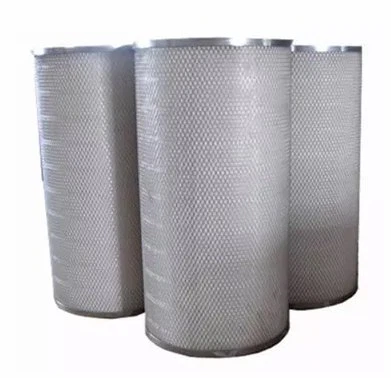

Ultra-low particulate air (ULPA) is a type of filter. A ULPA filter can remove from the air at least 99.999% of dust, pollen, mold, bacteria and any airborne particles with a minimum particle penetration size of 120 nanometres (0.12 µm, ultrafine particles). A ULPA filter can remove—to a large extent but not 100%—oil smoke, tobacco smoke, rosin smoke, smog, and insecticide dust.It can also remove carbon black to some extent. Some fan filter units incorporate ULPA filters.

Benefits of Ulpa Filter
High working efficiency
The ULPA filter is capable of operating air flows of more than 3700 m3/hour for the 99 99% DOP, which is significantly more than the standard HEPA air filter which is only capable of 1950m3/hour.
Improved air quality
ULPA filters capture much smaller particles that typical HEPA filters cannot, providing higher air quality in filtered spaces.
Reduced operating costs
The installation of high-quality ULPA filters can significantly reduce overall maintenance and operating costs in any building or system that depends on clean air.
Extended equipment lifespan
This increased media area in ULPA filter all leads to an extended service life and low pressure drop, thus yielding low energy consumption. Higher air flows made UPLA filter requires less hardware and filters and the lower pressure drop conserves energy which saves money and the environment!
Fiberglass ULPA filters:These filters are made up of tightly packed fiberglass fibers. This filter is extremely efficient and can remove particles as small as 0.1 microns with a 99.997% efficiency. These filters have a lower resistance to flow which can be beneficial in systems requiring high airflow.
Polypropylene ULPA filters:These filters are made up of polypropylene fibers. They are less expensive than fiberglass ULPA filters, but they need a longer time to clean. These filters are used in cleanrooms and are meant to eliminate the maximum amount of particles from the air.
Application of ULPA Filters
ULPA filters are often used in applications where airborne particles and pathogens are dangerous to human health or essential in manufacturing or assembly operations of sensitive equipment. They are also used in environments that require ultra-pure air to remove the risk of contamination.
ULPA filter applications can include:
●Medical research laboratories
●Pharmaceutical research and manufacturing
●Electronics manufacturing
●Biomedical air filtration and research
●Airline cabin purifiers
●Cleanrooms
●Medical facilities, like hospitals
●Biological and chemical shelters
HEPA and ULPA similarities and differences
●Both HEPA and ULPA filters are made up of similar materials that allow for air to pass through them and trap airborne particles.
●Both filters have a similar, although slightly different construction, and the air filtration process is the same.
●HEPA and ULPA filters generally cannot remove odors or gases from the air.
●While ULPA filters tend to do better with smaller particles than HEPA filters, they restrict airflow which means they will give you fewer air changes per hour at a given pressure drop.
The Efficacy of ULPA Filters
ULPA filters are rated among the highest efficiency filters as it has the ability to stop the spread of airborne infectious diseases. In addition to cleanrooms, ULPA filters are also used in hospitals and healthcare organizations for their intensive care units (ICUs), operation theatres, isolation wards, and biological safety cabinets.
ULPA filters are made of spun hooked fibers rolled into paper-like material that is then formed into pleated panels to increase the surface volume of the filter. Low-porosity fibers (like cellulose acetate, carbon, ceramic, glass fiber, cotton, and polyester) are used to make these panels. The low porosity results in reduced airflow but also provides enhanced filtration.
The efficacy of ULPA filters can be further improved by using pre-filters, such as foam or electrostatic filters, to remove larger particulates so the ULPA filter can focus on finer contaminants.
Whether you change the way you clean your home, upgrade your HVAC system, or bring in a professional service to help restore your home’s safety after smoke damage, it is important you make an effort to improve your indoor air quality.
To start, here are three easy ways to improve your indoor air quality:
Eliminate the source of pollution: Eliminate the source of pollution by closing all of the windows and doors around your home.
Set up an air purifier in your home: Utilizing an air purifier in your home can help trap and eliminate harmful particles that fill the air you breathe. Since wildfire smoke particles range in size from 0.4µ-0.7µ, getting an air purifier, like the Ultrafine 468, that is equipped to eliminate smaller particles is crucial. This air purifier and other Intellipure® models utilize DFS technology to deal with smoke particulate on contact.
Improve ventilation throughout your home: Proper ventilation is paramount to the health of the occupants. However, if the outside air is contaminated by smoke, the IAQ will be negatively affected if you open windows and vents.
Components of ULPA Filter
Filter media: The filter media is the main component of the ULPA filter and is responsible for capturing and retaining particles. It is typically made of a fine, fibrous material such as glass fibers or synthetic materials. The filter media is designed to have a high surface area and a dense structure to effectively trap particles.
Frame: The frame of the ULPA filter provides structural support and holds the filter media in place. It is usually made of a rigid material such as metal or plastic. The frame is designed to be sturdy and airtight to prevent air leakage around the filter.
Gaskets or seals: Gaskets or seals are used to ensure a tight seal between the ULPA filter and the filter housing or system. They help prevent air bypass and ensure that all the air passes through the filter media, maximizing filtration efficiency.
Pleat support: ULPA filters are often pleated to increase the surface area and maximize the filter's capacity. Pleat supports, such as separators or spacers, are used to maintain the spacing between pleats and prevent them from collapsing or touching each other. This helps to maintain the airflow and filtration efficiency of the filter.
Filter housing: The ULPA filter is typically installed in a filter housing or a filter system. The housing provides a secure enclosure for the filter and ensures that all the air passes through the filter media. It may also include features such as gasketed doors or clamps to ensure a tight seal.
HEPA filters, or high-efficiency particulate air filters, are defined by how well they have been rated to filter particles, not by how they are made. To meet the HEPA standard, a filter is estimated to remove 99.97 percent of particles that are 0.3 microns (or micrometers) in size from the air that passes through them, though this means that particles smaller than 0.3 microns can escape the HEPA filter.
In practice, HEPA filters are made from a variety of materials, including “coarse glass fibers, coated animal hair, vegetable fibers, synthetic fibers (such as polyester or nylon), synthetic foams, metallic wools, or expanded metals and foils,” according to the EPA. These fibers are tangled together randomly and compressed into paper-like sheets. The sheets are pleated to increase the surface area that the air passes through, and mounted onto a frame made of cardboard, plastic, wood or metal. Manufacturers might add other elements to a HEPA filter, such as a pre-filter to screen out larger particles, activated carbon to help remove odors and gases or a chemical treatment to make particles stick to the fibers.
How Do I Choose the Right Size and Type of ULPA Filter for My Application?
Determine the required filtration efficiency
ULPA filters have a minimum efficiency of 99.999% for particles as small as 0.1 micrometers. However, you may need a higher efficiency depending on your specific application. Identify the particle size range and the level of cleanliness required to select the appropriate ULPA filter.
Calculate the airflow rate
Determine the airflow rate or volume of air that needs to be filtered in your application. This can be measured in cubic feet per minute (CFM) or cubic meters per hour (m³/h). The airflow rate will help determine the size and capacity of the ULPA filter needed.
Consider the filter size
ULPA filters come in various sizes, and it is important to choose a filter that fits your existing filter housing or system. Measure the dimensions of the filter housing or the available space to ensure compatibility.
Assess the filter frame material
ULPA filters are available with different frame materials, such as metal or plastic. Consider the compatibility of the frame material with your application, including factors like chemical resistance, temperature requirements, and durability.
Evaluate the filter media
ULPA filters use specialized filter media designed to capture ultra-fine particles. Consider the type of filter media, such as glass fibers or synthetic materials, and assess its performance characteristics, such as dust holding capacity and pressure drop.
Consult with experts
If you are unsure about the specific requirements or need assistance in selecting the right ULPA filter, consult with experts or manufacturers who specialize in air filtration. They can provide guidance based on your application needs and recommend the most suitable ULPA filter.
Latest Trends:ULPA Filter
Market growth: The global ULPA filter market is expected to experience steady growth in the coming years. Reports suggest that the market size for ULPA filters is projected to reach billions of dollars by 2030, with a compound annual growth rate (CAGR) ranging from 4.7% to 7.3%.
Increasing demand for clean air: With growing concerns about air pollution and the need for clean and healthy indoor environments, there is a rising demand for ULPA filters. ULPA filters are known for their high efficiency in removing ultra-fine particles, including allergens, dust, bacteria, and viruses.
Technological advancements: Manufacturers are continuously investing in research and development to improve the performance and efficiency of ULPA filters. This includes advancements in filter media technology, filter design, and manufacturing processes to enhance filtration efficiency and reduce pressure drop.
Focus on energy efficiency: Energy efficiency is becoming a key consideration in ULPA filter design. Manufacturers are developing filters that provide high filtration efficiency while minimizing energy consumption. This helps in reducing operational costs and environmental impact.
Customization and application-specific solutions: ULPA filters are being customized to meet the specific requirements of different applications. This includes filters designed for cleanrooms, pharmaceutical manufacturing, electronics manufacturing, healthcare facilities, and other industries where strict air quality standards are essential.
Integration with IOT and smart technologies: ULPA filters are being integrated with Internet of Things (IOT) and smart technologies to enable real-time monitoring and control of air quality. This allows for proactive maintenance, filter replacement alerts, and optimization of filter performance.


Cases

FAQ
Q: Is ULPA filter better than HEPA?
Q: What is ULPA filters?
Q: What is the pressure drop on a ULPA filter?
Q: What is the MERV rating of ULPA?
Q: Where are ULPA filters used?
Q: What is the lifespan of a HEPA filter?
Q: Is Merv filter better than HEPA?
Q: Why do HEPA filters fail?
Q: What is the name of ULPA filter?
Q: How many types of HEPA filters are there?
Q: What does HEPA stand for?
Q: At what pressure drop should the filters be changed?
Q: Is it OK to wash a HEPA filter?
Q: Can you clean a HEPA filter and reuse it?
Q: Should you run a HEPA filter all the time?
Q: Do you really need a HEPA filter?
Q: Is Merv the same as HEPA?
Q: What are the 4 main filter types?
Q: Is true HEPA the same as HEPA?
Q: What is the best HEPA filter grade?
As one of the leading ulpa filter manufacturers and suppliers in China, we warmly welcome you to buy custom ulpa filter made in China here from our factory. All OEM&ODM products are with high quality and competitive price.
whole house filter system, water filter dispenser for home, hepa filter for mushroom cultivation