

Products
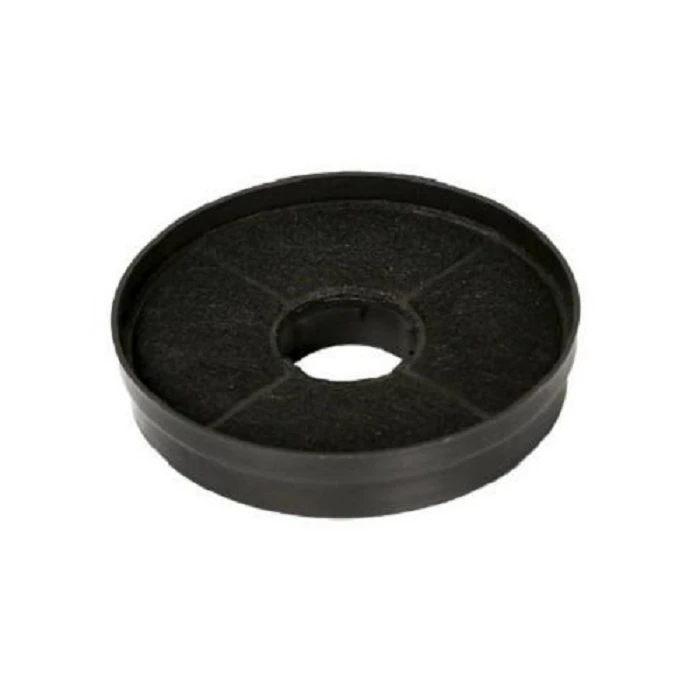
HEPA Activated Carbon Filter
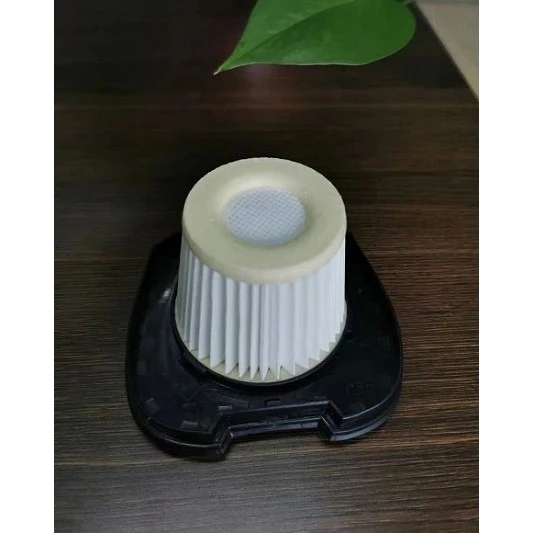
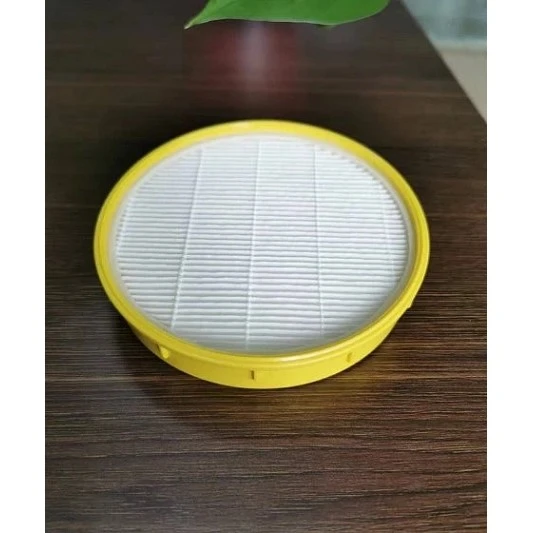
A HEPA activated carbon filter is a type of air filter that combines high-efficiency particulate air (HEPA) filtration with activated carbon technology. It is designed to capture and remove a wide range of particles, pollutants, and odors from the air.
Features
Why Choose Us
State-of-the-Art Technology
Employs cutting-edge purification technologies to provide advanced solutions that meet the highest industry standards.
Custom Solutions
The company offers bespoke purification systems tailored to meet the unique requirements of each client's application.
Environmental Focus
The company is committed to sustainable practices and offers eco-friendly purification solutions that minimize environmental impact.
Expertise
With a team of experienced professionals, provides expert advice and support throughout the entire lifecycle of its products.
What is a HEPA activated carbon filter?
A HEPA activated carbon filter is a type of air filter that combines high-efficiency particulate air (HEPA) filtration with activated carbon technology. It is designed to capture and remove a wide range of particles, pollutants, and odors from the air.


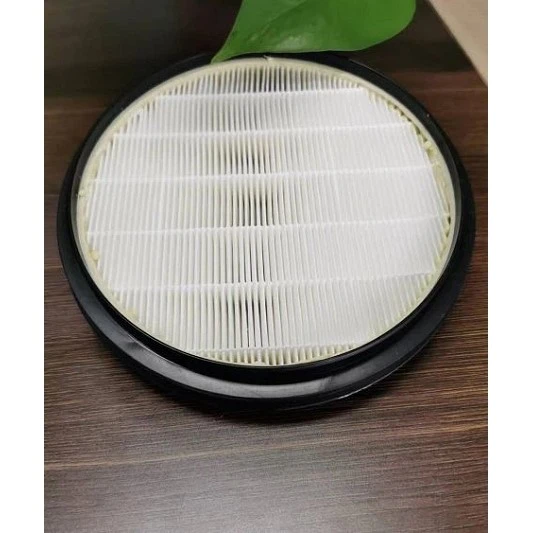
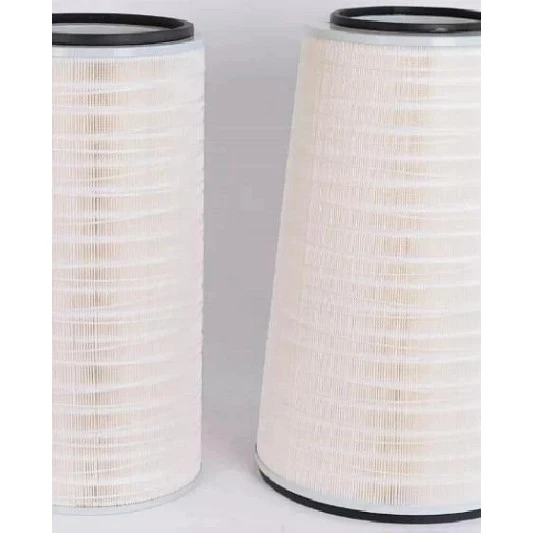

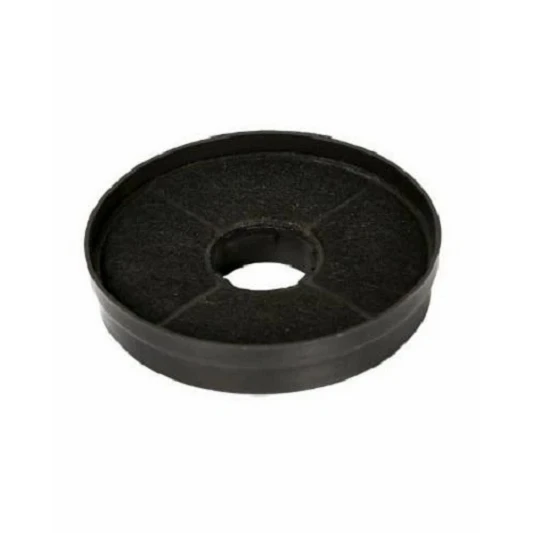
What are the benefits of using a HEPA Activated Carbon Filter?
Improved Air Quality: A HEPA activated carbon filter is designed to remove particles as small as 0.3 microns, effectively capturing allergens, dust, pet dander, pollen, and other airborne pollutants. This results in cleaner and healthier air, particularly beneficial for individuals suffering from respiratory conditions or allergies.
Odor Reduction: The activated carbon layer within the filter has excellent adsorption properties, removing foul odors, smoke, and volatile organic compounds (VOCs) from the air. It efficiently neutralizes unpleasant smells, making the environment more pleasant and suitable for a variety of settings such as homes, offices, hospitals, or industries.
Chemical Filtration: The activated carbon in the filter is capable of absorbing or chemically reacting with harmful gases and chemicals present in the air, including formaldehyde, ozone, benzene, and other volatile compounds. This filtration capability provides a safer and healthier breathing environment for occupants.
Allergen Control: HEPA activated carbon filters assist in controlling allergens by trapping and eliminating common triggers like mold spores, bacteria, and viruses. These filters help reduce the risk of respiratory infections and improve overall well-being, especially for sensitive individuals.
Long-lasting Performance: HEPA activated carbon filters have a longer lifespan compared to regular air filters. They can effectively capture a large volume of pollutants before requiring replacement, reducing maintenance effort and costs.
Energy Efficiency: Incorporating a HEPA activated carbon filter in air purifiers or HVAC systems can help optimize energy consumption. By efficiently trapping contaminants, these filters minimize the strain on air circulation devices, promoting energy savings and reducing the carbon footprint.
Versatility: HEPA activated carbon filters can be used in various applications, including air purifiers, vacuum cleaners, HVAC systems, and industrial air filtration systems. Their versatility makes them suitable for a wide range of indoor spaces, ensuring clean and fresh air in diverse environments.
Types of HEPA Activated Carbon Filter
Standard Activated Carbon Filter: This type of HEPA activated carbon filter uses activated carbon to primarily eliminate odors and harmful gases from the air. It is effective in removing common household odors, like smoke, pet odors, and cooking smells.
Combination Filter: This type combines a HEPA filter with an activated carbon filter. It offers the benefits of both filters by not only removing odors and gases but also capturing microscopic particles like dust, pollen, and pet dander. This makes it ideal for people with allergies or respiratory conditions.
Gas Phase Filter: This particular type of HEPA activated carbon filter is designed to specifically target harmful gases and chemical pollutants in the air. It contains a special activated carbon blend that can efficiently adsorb and neutralize toxic gases, such as formaldehyde, VOCs (volatile organic compounds), and ozone.
Antimicrobial Filter: An antimicrobial HEPA activated carbon filter incorporates antimicrobial agents into the carbon media to inhibit the growth of bacteria, mold, and mildew. This filter not only helps to purify the air but also prevents the spread of airborne germs, making it suitable for hospitals, clinics, and other healthcare facilities.
Industrial-Grade Filter: This type of HEPA activated carbon filter is designed for heavy-duty applications, such as industrial settings, factories, or construction sites. It can effectively capture large particles like sawdust, cement dust, and metal shavings, as well as remove harmful chemicals and odors from the air, ensuring a healthier work environment.
Reusable Filter: A reusable HEPA activated carbon filter can be washed and reused multiple times. It is an economical and environmentally friendly option, as it reduces the need for frequent filter replacements. However, it may need more maintenance and occasional replacement of the activated carbon media.
High-Efficiency Filter: A high-efficiency HEPA activated carbon filter provides superior filtration performance. These filters are capable of capturing tiny particles as small as 0.3 microns with an efficiency of 99.97% or higher. They are commonly used in hospitals, laboratories, and cleanrooms where the air quality needs to meet strict standards.
Are there any maintenance requirements for a HEPA Activated Carbon Filter?
Yes, there are maintenance requirements for HEPA activated carbon filters to ensure they operate effectively and to extend their service life. Here are some key maintenance tasks:
Regular Inspection: Periodically check the filter for visible signs of damage such as rips, tears, or excessive dust buildup on the exterior.
Monitor Airflow: Keep an eye on the airflow through the filter system. A decrease in airflow can indicate that the filter is becoming clogged and needs to be replaced or cleaned (if applicable).
Replace HEPA Filters: Adhere to the manufacturer's recommended replacement schedule for the HEPA component of the filter. The lifespan will depend on the level of use and the amount of particulate matter in the environment.
Regenerate or Replace Activated Carbon: Activated carbon can become saturated with adsorbed contaminants over time. Determine whether the carbon can be regenerated (if the filter design allows for this) or if it needs to be replaced. The frequency of replacement will depend on exposure to contaminants.
Clean Pre-Filters: If the filter system includes pre-filters, clean them regularly to prevent premature loading of the HEPA and activated carbon layers.
Proper Handling: When changing filters, handle them carefully to avoid bending or damaging the pleats or media. Wear gloves to prevent contamination with oils and dirt from hands.
Seal Replacement Filters Correctly: Ensure that new filters are installed correctly and that all seals are tight to prevent unfiltered air from bypassing the filter media.
Log Maintenance Activities: Keep a record of all maintenance performed on the filter, including dates of inspections, cleanings, and replacements. This can help identify maintenance patterns and anticipate future needs.
Follow Manufacturer Guidelines: Always refer to the manufacturer's instructions for specific maintenance recommendations and procedures for your particular model of HEPA activated carbon filter.
Compliance with Regulations: If the filter is used in a regulated industry, ensure that maintenance activities comply with relevant standards and guidelines to maintain certification and compliance.
Where can I use a HEPA Activated Carbon Filter?


Home: Install a HEPA Activated Carbon Filter in your HVAC system or air purifier to enhance indoor air quality. It can effectively remove dust, pollen, pet dander, and other allergens, as well as eliminate cooking smells or tobacco odors.
Workplace: Use HEPA Activated Carbon Filters in offices or commercial buildings to provide clean and fresh air for employees and customers. This helps create a healthier environment, reducing the risk of allergies and respiratory issues.
Hospitals and healthcare facilities: HEPA Activated Carbon Filters are crucial in medical settings where maintaining air purity is essential. These filters can minimize the spread of bacteria, viruses, and harmful chemicals, contributing to a sterile and safe environment for patients and medical staff.
Laboratories: Laboratories often deal with hazardous substances and gases. The use of HEPA Activated Carbon Filters ensures that potentially harmful particles and fumes are captured, protecting researchers and preventing cross-contamination.
Manufacturing and industrial sites: Industrial processes often release pollutants, including dust, fumes, and volatile organic compounds (VOCs). Employing HEPA Activated Carbon Filters in ventilation systems helps reduce the presence of these contaminants, safeguarding workers' health and maintaining clean production environments.
Schools and educational institutions: Clean air is essential for students' well-being and concentration. HEPA Activated Carbon Filters can be used in classrooms, libraries, gymnasiums, and other areas to improve air quality and enhance the learning environment.
Hospitality industry: Hotels and resorts can benefit from using HEPA Activated Carbon Filters to create a pleasant and healthy atmosphere. These filters can filter out airborne pollutants and eliminate unpleasant odors, ensuring a comfortable stay for guests.
Vehicles and transportation: As people spend significant time in cars, buses, trains, and airplanes, installing HEPA Activated Carbon Filters in these vehicles is important. These filters help remove pollutants, allergens, and fine particles from the air, ensuring a clean and healthy transportation experience.
Clean rooms and data centers: HEPA Activated Carbon Filters are essential in maintaining the pristine conditions required in clean rooms and data centers. These filters help maintain particle-free environments to protect sensitive equipment and ensure optimal performance.
Public spaces: Installing HEPA Activated Carbon Filters in malls, entertainment venues, airports, and other crowded areas can help improve overall air quality. It reduces the transmission of airborne diseases, provides a comfortable environment for visitors, and enhances their experience.
When using a HEPA activated carbon filter, there are several important considerations to keep in mind to ensure the filter operates effectively and safely:
Compatibility: Ensure that the filter is compatible with your specific air purification system. Check the size, shape, and installation method to ensure a proper fit.
Airflow Rate: The filter's efficiency can be affected by the airflow rate. A high flow rate may reduce the contact time between the air and the filter media, potentially decreasing the effectiveness of the filtration.
Pre-Filters: Use pre-filters if available. They can capture larger particles, extend the life of the HEPA and activated carbon filters, and reduce the load on the more expensive components.
Filter Replacement Schedule: Follow the manufacturer's recommended schedule for replacing or regenerating the activated carbon component. Over time, the carbon will become saturated with adsorbed contaminants, reducing its ability to absorb new pollutants.
Proper Installation: Install the filter according to the manufacturer's instructions. Improper installation can lead to reduced efficiency or allow unfiltered air to bypass the filter.
Sealing: Ensure that the filter is sealed properly in the housing to prevent unfiltered air from entering the system. Gaps or leaks can compromise indoor air quality.
Maintenance Access: Make sure that the filter is easy to access for routine checks and replacements. Regular maintenance is crucial for maintaining the filter's performance.
Disposal: When replacing the filter, dispose of the old one properly. Activated carbon can adsorb hazardous substances, so follow local regulations regarding waste disposal.
Hazardous Environments: In environments with high levels of hazardous chemicals, additional safety measures may be necessary beyond what standard HEPA activated carbon filters provide. Consult with occupational health professionals.
Noise Level: Some air purifiers with HEPA and activated carbon filters can produce significant noise, especially at higher fan speeds. Consider the noise level if the filter will be used in areas like bedrooms or offices.
Certifications: Look for certifications from reputable organizations like AHAM (Association of Home Appliance Manufacturers) or ENERGY STAR, which can indicate that the filter meets certain performance and energy efficiency standards.
Air Quality Needs: Understand the specific air quality challenges you face. For example, if you need to remove smoke odors, a filter with a higher activated carbon content may be required.
How often should I replace the filter?
Replacing the filter is essential for maintaining good air quality and ensuring the optimal performance of your air filtration system. Here are some key points to keep in mind regarding how often you should replace the filter:
Follow the manufacturer's recommendations
The user manual or guidelines provided by the manufacturer. They typically provide specific instructions and suggestions regarding when to replace the filter. It's essential to follow these recommendations as they are based on the specific model and design of your air filtration system.
Consider the filter type
Different types of filters have varying lifespans. For example, fiberglass filters usually need to be replaced every month, while pleated filters can last up to three months. HEPA filters, known for their high efficiency, typically last up to a year. Understanding the type of filter you have will help you determine how frequently it needs to be replaced.
Assess the air quality
If you live in an area with a high level of air pollution, your filter may get clogged more quickly. Similarly, if you have pets or live in a dusty environment, your filter may require more frequent replacement. Regularly monitor the air quality in your home and visually inspect the filter. If it appears visibly dirty or clogged, it's time for a replacement.
Check the filter's performance
A decline in the effectiveness of your air filtration system can be an indicator of a clogged or deteriorating filter. If you notice reduced airflow, increased dust accumulation, or a persistent musty odor, it's likely time to replace the filter. Regularly evaluating your filtration system's performance will help you determine the appropriate replacement schedule.
Maintain a replacement schedule
To ensure you don't forget to replace the filter, establish a regular maintenance schedule. Note down the specific date or time frame when the filter should be replaced based on the manufacturer's recommendations. Set reminders on your calendar or phone to help you stay on track. Consistent filter replacement will enhance the efficiency of your air filtration system and promote a healthier living environment.
Certifications


Our Factory
Equipped with one advanced automatic and two semi-automatic production lines to implement the lean manufactory. It has testing equipment as well to guarantee the correct specification in the R&D stage and high-quality daily shipments.

FAQ
Q: What is a HEPA activated carbon filter?
Q: How does a HEPA activated carbon filter work?
Q: What are the benefits of using a HEPA activated carbon filter?
Q: What types of pollutants can a HEPA activated carbon filter remove?
Q: Where can I use a HEPA activated carbon filter?
Q: How often should I replace the filter?
Q: Can a HEPA activated carbon filter help with allergies?
Q: Is a HEPA activated carbon filter noisy?
Q: Can a HEPA activated carbon filter remove viruses?
Q: Can a HEPA activated carbon filter remove mold spores?
Q: Are there any maintenance requirements for a HEPA activated carbon filter?
Q: Can a HEPA activated carbon filter help with cigarette smoke?
Q: Can a HEPA activated carbon filter help with cooking odors?
Q: Can a HEPA activated carbon filter help with pet odors?
Q: Can I wash a HEPA activated carbon filter?
Q: Can a HEPA activated carbon filter eliminate formaldehyde?
Q: Does a HEPA activated carbon filter consume a lot of electricity?
Q: Can I use a HEPA activated carbon filter alongside an air purifier?
Q: Is it necessary to use a HEPA activated carbon filter in regions with good air quality?
Q: Can a HEPA activated carbon filter eliminate cooking fumes?
Hot Tags: hepa activated carbon filter, China hepa activated carbon filter manufacturers, suppliers, factory, filter air portable, tap water filter system, alkaline water purifier, hepa air filtration system, home air purifier for mold, room air purifier with hepa filter
You Might Also Like


Send Inquiry
