

Products

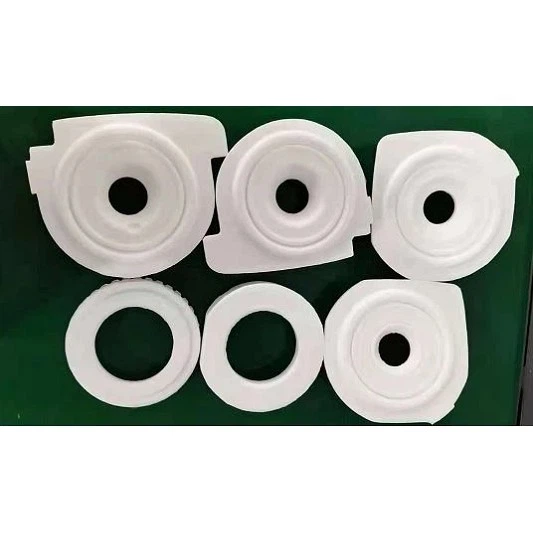
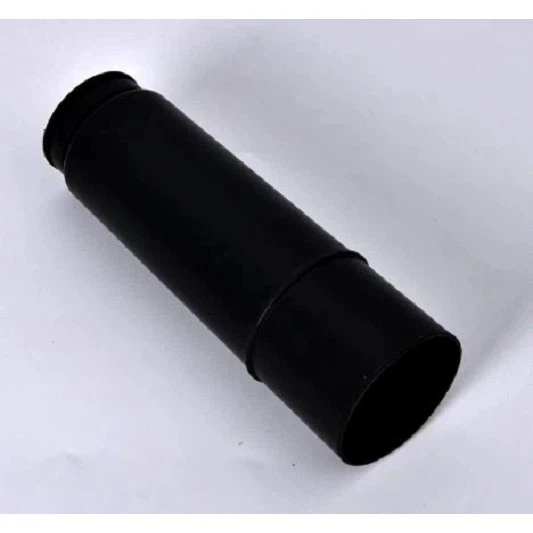
Polyurethane Foam Pad Pillow
Polyurethane foam pad pillows are cushions filled with polyurethane foam, which is a synthetic material known for its versatility, durability, and comfort. Polyurethane foam is created through a chemical reaction between polyols and isocyanates, resulting in a soft, yet resilient material.
Features
Why Choose Us
State-of-the-Art Technology
Employs cutting-edge purification technologies to provide advanced solutions that meet the highest industry standards.
Custom Solutions
The company offers bespoke purification systems tailored to meet the unique requirements of each client's application.
Environmental Focus
The company is committed to sustainable practices and offers eco-friendly purification solutions that minimize environmental impact.
Expertise
With a team of experienced professionals, provides expert advice and support throughout the entire lifecycle of its products.
What is Polyurethane Foam Pad Pillow?
Polyurethane foam pad pillows are cushions filled with polyurethane foam, which is a synthetic material known for its versatility, durability, and comfort. Polyurethane foam is created through a chemical reaction between polyols and isocyanates, resulting in a soft, yet resilient material.




Advantages of Polyurethane Foam Pad Pillow
Polyurethane foam pad pillows offer several advantages that make them popular in various applications:
Comfort and Support: Polyurethane foam conforms to the body's shape, providing support and alleviating pressure points, which is beneficial for sleep and relaxation.
Durability: The material is resistant to wear and tear, maintaining its shape and supportiveness over time compared to some other foam materials.
Versatility: Polyurethane foam can be manufactured in different densities, allowing for a range of firmness levels to suit individual preferences.
Adjustability: Foam pads can be easily cut or shaped to fit specific areas or items that require cushioning or protection.
Insulation: Polyurethane foam has good thermal insulation properties, making it suitable for use in products that need to maintain warmth, such as outdoor furniture or bedding.
Lightweight: Despite being durable, polyurethane foam is relatively lightweight, making it easier to move and adjust without significant effort.
Easy Maintenance: Many polyurethane foam pads are covered with removable and washable covers, facilitating cleanliness and hygiene.
Cost-Effective: Polyurethane foam is generally affordable and provides a good balance between cost and quality.
Customization: Foam pads can be custom-made to exact specifications, accommodating unique design requirements and personalized needs.
Environmental Considerations: Polyurethane foam can be produced using bio-based materials or recycled content, offering more sustainable options.
Process of Polyurethane Foam Pad Pillow
The production of polyurethane foam pad pillows involves several steps that transform raw materials into a finished product:
Raw Material Preparation: The primary ingredients for polyurethane foam are polyols and isocyanates, which are mixed with catalysts, blowing agents, surfactants, and colorants. These materials are prepared in separate containers before being combined.
Blending: The polyol and isocyanate components, along with any additional chemicals, are fed into a large blending machine. Here, they are mixed together at high speeds to ensure thorough and uniform mixing. The ratio of polyol to isocyanate is critical and determines the properties of the final foam.
Pouring: The mixed polyurethane solution is then poured into a mold or onto a conveyor belt that has been prepped with a release agent to prevent sticking. The pouring process must be carefully controlled to ensure even distribution of the foam.
Reaction and Curing: Once poured, the chemical reaction between the polyol and isocyanate begins. The blowing agents cause the mixture to expand and cure, forming the cell structure that characterizes the foam. The curing process usually takes a few minutes.
Foaming: The expansion of the foam is carefully controlled to achieve the desired density and thickness. The blowing agents can be water (which generates carbon dioxide) or chlorofluorocarbons (now largely phased out due to environmental concerns).
Cutting and Shaping: After the foam has fully cured, it is cut and shaped to the desired dimensions for the pillow. Automated cutting equipment is often used to ensure precision and efficiency.
Post-Processing: The cut foam may undergo additional processes such as edge trimming, contouring, or the addition of layers with different properties. Some foams are also treated to be more resistant to dust mites, water, or stains.
Quality Control: Throughout the manufacturing process, quality control measures are in place to ensure the foam meets the necessary standards for comfort, durability, and safety.
Assembly: If the pillow includes a cover, the foam pad is inserted into the cover, which may be made from a variety of fabrics. The cover is then sewn closed around the foam.
Packaging and Distribution: The finished pillows are packaged and shipped to retailers or directly to consumers. Depending on the type of foam used, the pillows might require a period of "off-gassing" to allow any lingering chemical odors to dissipate before use.
Types of Polyurethane Foam Pad Pillow
Memory foam pillows
Memory foam pillows are a popular choice for many sleepers. These pillows are made from viscoelastic polyurethane foam that contours to the shape of your head and neck, providing customized support. They are known for their ability to relieve pressure points and minimize tossing and turning during sleep.
Gel-infused memory foam pillows
Gel-infused memory foam pillows combine the benefits of memory foam with cooling gel technology. The gel infusion helps to regulate temperature and dissipate heat, keeping you cool throughout the night. These pillows are a great option for hot sleepers or those living in warmer climates.
Shredded memory foam pillows
Shredded memory foam pillows offer a unique sleep experience. These pillows are filled with shredded pieces of memory foam, allowing you to adjust the loft and firmness according to your preferences. They provide excellent support and breathability, promoting a comfortable sleep environment.
Contoured foam pillows
Contoured foam pillows are designed with a curved shape and varying heights to align with the natural curves of your head, neck, and shoulders. They provide exceptional support and help alleviate neck and shoulder pain. These pillows are especially beneficial for individuals who prefer sleeping on their side or back.
High-density foam pillows
High-density foam pillows are known for their durability and longevity. These pillows are made from foam with a higher density, offering firmer support. They are ideal for individuals who require extra neck and spinal support.
Latex foam pillows
Although not technically polyurethane foam, latex foam pillows are worth mentioning as they share some similarities with polyurethane foam pads. These pillows are made from natural or synthetic latex foam, providing excellent support and responsiveness. They are hypoallergenic, resistant to dust mites, and maintain their shape for a long time.
What are the Working Theory of Polyurethane Foam Pad Pillow



Polyurethane foam is a type of material that is commonly used in the manufacturing of pillows due to its unique properties.
The foam pad pillow is designed to provide support and comfort to the head and neck while sleeping or resting.
One of the working theories of polyurethane foam pad pillow is that it conforms to the shape of the head and neck, distributing weight evenly and relieving pressure points.
The foam's ability to contour to the body's shape allows for proper alignment of the spine, reducing the risk of neck and back pain.
Another theory suggests that the foam's open-cell structure allows for better air circulation, preventing the buildup of heat and moisture that can cause discomfort during sleep.
The polyurethane foam material is also hypoallergenic, making it suitable for individuals with allergies or sensitivities.
The foam pillow is designed to be resilient, meaning it returns to its original shape after being compressed. This ensures longevity and durability of the pillow.
Polyurethane foam is known for its ability to absorb motion, reducing the impact of movements during sleep and preventing disturbances to others.
The foam's density plays a role in its working theory as well. Higher density foam offers firmer support, while lower density foam provides a gentler, plush feel.
The foam pad pillow is often recommended for individuals with sleep apnea or snoring issues, as it helps in keeping the airways open and promoting better breathing.
key points various applications of Polyurethane Foam Pad Pillow
Enhanced Comfort: Polyurethane foam pad pillows are known for providing exceptional comfort and support. The foam conforms to the shape of the body, offering a personalized sleeping experience. It helps relieve pressure points and reduces the chances of developing a stiff neck or shoulders.
Improved Sleep Quality: With their ability to distribute body weight evenly, polyurethane foam pad pillows promote better sleep by reducing tossing and turning. By aligning the head, neck, and spine properly, these pillows can alleviate sleep disruptions and improve overall sleep quality.
Pain Relief: These foam pillows are widely used for pain management and relief, particularly for individuals suffering from chronic neck or back pain. The foam material supports the natural curvature of the spine and helps alleviate pressure, reducing discomfort and promoting healing.
Allergy-Resistant: Polyurethane foam pad pillows are resistant to dust mites, mold, and mildew, making them an excellent choice for individuals with allergies or respiratory conditions. The dense foam material prevents the accumulation of allergens, ensuring a cleaner and healthier sleeping environment.
Temperature Regulation: Many polyurethane foam pad pillows feature open-cell construction, allowing air to circulate freely. This design aids in temperature regulation by dissipating excess heat and preventing the pillow from becoming uncomfortably warm during the night.
Versatile Applications: Besides sleeping, polyurethane foam pad pillows have various other applications. They are commonly used for providing support while sitting or lounging, making them ideal for individuals with sedentary lifestyles or jobs that require prolonged sitting. Foam pad pillows are also used in rehabilitation settings and nursing homes to provide comfort and support for patients.
Durable and Long-lasting: Polyurethane foam pad pillows are known for their durability. The foam material retains its shape and support properties over an extended period, offering long-lasting comfort and value for money.
Available in Different Shapes and Sizes: Polyurethane foam pad pillows come in a variety of shapes and sizes to cater to individual preferences and needs. From traditional rectangular pillows to contoured designs that cradle the neck and head, there is a wide range of options available to suit different sleep styles and body types.
Choose the Right Pillow: Select a polyurethane foam pillow that suits your sleep position (e.g., back, side, stomach) and personal comfort preferences (e.g., firmness, height).
Remove Protective Packaging: If the pillow comes with protective packaging, remove it to allow the foam to expand fully and air out if there is any off-gassing.
Wash the Cover: If the pillow has a removable cover, launder it according to the care instructions before using the pillow.
Place the Pillow: Position the pillow on your bed, ensuring it's centered on the mattress. The top of the pillow should align with the top of your shoulders when lying on your back.
Adjust the Height: Fluff the pillow to ensure it's at an appropriate height for you to rest your head comfortably. For side sleepers, the pillow should fill the gap between the shoulder and neck. Back sleepers may require a flatter pillow, while stomach sleepers often prefer a thinner one.
Position Your Body: Lie down on the pillow with your head resting on it. Your spine should be aligned, with your neck neither bent upwards nor downwards. Make any necessary adjustments to find a comfortable position.
Use Additional Pillows: If needed, place a smaller pillow under your knees when lying on your back, or between your legs when lying on your side, to maintain proper alignment of your hips and spine.
Maintain the Pillow: Regularly fluff your pillow to maintain its loft and support. If the pillow develops an indentation or loses its shape over time, consider replacing it to ensure optimal comfort and support.
Cleaning: Follow the manufacturer's guidelines for cleaning the pillowcase or the entire pillow, as necessary. Avoid using harsh chemicals that could damage the foam.
Storage: When not in use, store the pillow in a dry, well-ventilated area to prevent moisture buildup and mildew.
Certifications


Our Factory
Equipped with one advanced automatic and two semi-automatic production lines to implement the lean manufactory. It has testing equipment as well to guarantee the correct specification in the R&D stage and high-quality daily shipments.

FAQ
Q: What is a polyurethane foam pad pillow?
Q: How does a polyurethane foam pad pillow work?
Q: Are polyurethane foam pad pillows hypoallergenic?
Q: Can a polyurethane foam pad pillow help with neck pain?
Q: Can the foam in the pillow lose its shape over time?
Q: Are these pillows suitable for all sleeping positions?
Q: Can these pillows help with snoring?
Q: Can these pillows be washed?
Q: Do these pillows have any odor?
Q: Can these pillows be used by children?
Q: How long do polyurethane foam pad pillows last?
Q: Do these pillows retain body heat?
Q: Are these pillows firm or soft?
Q: Are these pillows recommended for people with chronic pain conditions?
Q: Do these pillows come in different sizes?
Q: Can these pillows be used with other pillows?
Q: Are these pillows adjustable?
Q: Are these pillows suitable for travel?
Q: Can these pillows help with sleep apnea?
Q: Where can I purchase polyurethane foam pad pillows?
Hot Tags: polyurethane foam pad pillow, China polyurethane foam pad pillow manufacturers, suppliers, factory, high flow water filter, hydrogen water purifier, air purifier with permanent hepa filter, air purifier large, outdoor filter, portable hepa filtration unit
You Might Also Like


Send Inquiry
