

Water Filter
Your Leading PURO Purification Technology (Suzhou) Co., Ltd Supplier
PURO Purification Technology (Suzhou) Co., Ltd established in year 2008, is a professional factory specialized in filtration products such as HEPA filters, UEPA filters, Multimedia filters, Brush roller, PU related products etc. PURO covers an area of 2600 square meters with a total investment of 10 million CNY. We have 118 employees now with 6 professional technical engineers and R&D engineers
Why choose us
Quality control
It has testing equipment as well to guarantee the correct specification in the R&D stage and high-quality daily shipments.
Technology support
We have 118 employees now with 6 professional technical engineers and R&D engineers.
Advanced equipment
Equipped with one advanced automatic and two semi-automatic production lines to implement the lean manufactory.
Rich experience
Established in 2008, it has more than 14 years experience industry.
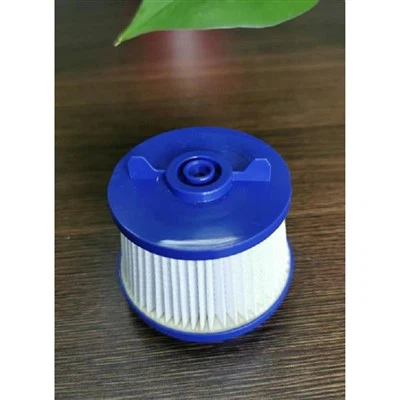

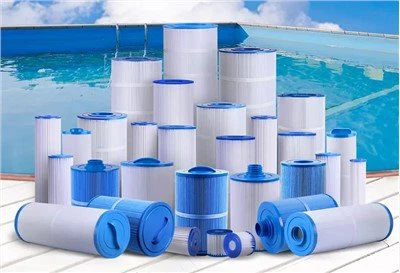


A water filter removes impurities by lowering contamination of water using a fine physical barrier, a chemical process, or a biological process. Filters cleanse water to different extents, for purposes such as: providing agricultural irrigation, accessible drinking water, public and private aquariums, and the safe use of ponds and swimming pools.

Benefits of Water Filter
Water impurities are removed by filtration
Water filtration removes water impurities and dangerous contaminants such as chlorine, disinfection byproducts and heavy metals such as mercury, lead, and arsenic. At the same time, water filters cleverly ensure that important minerals such as magnesium, fluoride, calcium, and zinc are retained. They protect you from toxins and ensure that you consume healthy minerals. Water filters also prevent limescale.
Reduced exposure to contaminants
From PFAS and pesticides to lead and bacteria, tap water can contain various contaminants that can have adverse health effects. These health problems can include gastrointestinal illnesses, nervous system or reproductive effects, and chronic diseases such as cancer. Drinking filtered water can reduce exposure to contaminants linked to these and other health effects.
Low maintenance
Water filters are convenient and easy to use. Water filtration products are durable, portable, easy to change for quick filtration and are low maintenance.
Boosts your health
Water filtration systems are good for your health. The benefits are ten-fold, with skin hydration, nutrient absorption, weight loss, detoxification, digestion and a reduction in the risk of cancer. Drinking pure water helps to support the immune system and mental health function.
Mechanical filters
The most basic and standard method of water filtration involves mechanical filters. It’s one of the most common water filtration systems in which the dirt, particles, or any chemicals are removed from the water using a barrier.
The water typically travels through the mechanical filter, and the waste particles are filtered through the synthetic foam and nylon floss. This type of water filtration system is often used as the pre-filtration method.
Ion exchange filters
Ion exchange filters are the best and most effective water filtering system. The system is designed to split the atoms of contaminated particles, including chemicals, dirt, etc., into ions by taking limescale. The process is best for softening and filtering the hard water with its ion water softener.
This system is often installed in commercial areas to make water digestible for applications where it can be stored at a constant low temperature.
Reverse osmosis filters
Another remarkably effective method of purifying water is reverse osmosis (RO). Its process combines other water filtration systems such as mechanical and activated carbon filters to deliver water with fewer contaminants.
The process is executed by forcing the polluted water to go through a membrane at a specific pressure. The impure particles are left behind while the water is allowed to flow through.
Unfiltered and contaminated water is forced through a membrane to remove dissolved particles (e.g., magnesium, calcium, etc.). The water goes against its natural flow to push the polluted particles out of it. As a result, soft, clean, and digestible water is passed through. Reverse osmosis filters are mostly used in kitchen spaces.
Activated carbon filters
Activated carbon filters, also called absorption filters, are commonly installed in households. It’s a proven effective filtration method for confining water-borne particles. This type captures polluted particles so readily because it contains a massive internal surface filled with nooks and hooks, making it easier to trap water pollutants.
Ultra violet filters
Ultra-violet filters are a unique and helpful water filtration system that operates by divulging water into ultraviolet light. It makes killing pollutants, viruses, parasites, bacteria, etc., easier. This type of water filtering system runs on batteries and is lightweight.
Components of a Water Filter System
Water filter system typically consists of several stages of filtration to remove impurities from water. The stages may include pre-filtration, sediment filtration, activated carbon filtration, reverse osmosis, and post-filtration. The materials and methods used to make a water filter system can vary depending on the type and size of the system, but the basic components and process are similar.
Pre-filtration: This stage removes larger particles from the water, such as sediment, sand, and rust. It may use a sediment filter, a screen, or a multi-media block. These filters are often made of polypropylene, which is a durable plastic material that can withstand high pressure and temperature.
Sediment filtration: This stage removes smaller particles from the water, such as silt, dirt, and debris. A sediment filter typically consists of a cylindrical or spherical housing, a filter element, and a support layer. The filter element is made of a pleated paper or cloth material that is designed to trap smaller particles.
Activated carbon filtration: This stage removes impurities that are dissolved in the water, such as chlorine, pesticides, and chemicals. An activated carbon filter typically consists of a cylindrical or spherical housing, a filter element, and a support layer. The filter element is made of activated carbon, which is a porous material that adsorbs impurities from the water as it passes through.
Reverse osmosis: This stage removes even smaller impurities from the water, such as minerals, salts, and bacteria. A reverse osmosis system typically consists of a semi-permeable membrane, a high-pressure pump, and a collection tank. The water is pressurized and forced through the membrane, leaving the impurities behind. The purified water is then collected in the tank.
Post-filtration: This stage further removes impurities from the water and ensures that the water has a consistent taste and quality. A post-filter typically consists of a cylindrical or spherical housing, a filter element, and a support layer. The filter element is made of activated carbon, which helps to remove any remaining impurities and improve the taste and odor of the water.
How Do You Maintain a Water Filter
Maintaining a water filter doesn't have to be a daunting task. With a few simple steps and regular checks, you can ensure that your water filter remains effective for years to come. Here's how to go about it, based on the type of water filter you own.
Activated Carbon Filters
Activated carbon filters are some of the most common filters on the market. They work by attracting and adsorbing contaminants like chlorine and organic compounds onto their large surface area.
How to Maintain an Activated Carbon Filter
●Check for clogs: Reduced water flow may indicate a clog. Replace the cartridge if needed.
●Regularly replace water fIlter cartridges: As hundreds or even thousands of gallons of water pass through the filter, its effective surface area will become saturated until you need new filter cartridges.
●Sanitize: If recommended by the manufacturer, periodically use a sanitizing solution as indicated by your filter’s guidelines to keep bacterial growth at bay.
How Often Should You Replace Activated Carbon Filter Cartridges
Typically replacements should be every three to six months. However, you always want to check the manufacturer's guidelines for how often the cartridges should be replaced.
The amount of time between changes will depend on many factors, including the size of the filter, whether there are pre-filters to capture larger debris, the types and amounts of contaminants being filtered, how much contact time the filter has with water, and how many gallons of water have passed through it.
Reverse Osmosis Systems
Reverse osmosis (RO) systems work by pushing water through tiny holes in a reverse osmosis membrane. The holes are so small that they only allow the water molecules through. This makes them highly effective filters for even very small microorganisms like viruses, which can slip through other filters. This does mean it can take a while to push a meaningful amount of water through the membrane. So you’re not waiting when you turn on your tap, RO systems come with a storage tank that holds filtered water so it’s there when you need it.
How to Maintain a Reverse Osmosis Filtration System
●Check your pre-filters: Because RO membranes can be delicate and become clogged, these systems often come with pre-filters, sediment filters, and water polishers which need to be checked on from time to time and replaced on schedule.
●System flush: Periodically, run a system flush to clear out buildup in the membrane if your RO system doesn’t do this automatically.
●Regular cleaning: Every few weeks, it’s a good idea to clean out the water storage tank. Especially if it’s installed in a sink you don’t use often.
How Often Should You Replace a Reverse Osmosis Membrane
Usually the RO membrane should be replaced every 24 months, but check your model's guidelines. If you have them, the sediment pre-filter, pre-carbon filter, and post-carbon filter should be replaced every six to 12 months or sooner depending on usage.
Ultraviolet Light Filters
UV disinfection systems use ultraviolet light waves to deactivate the DNA of microbial contaminants like protozoan, cysts, and viruses. UV light filters are generally part of a multistage system when used in home filtration systems and they are favored because they don’t add chemicals to your glass.
How to Maintain a UV Light Filter
●Keep it clean: Because this system uses light, it's important that the quartz sleeve that light passes through is clean. For many systems this means giving it some care every few months for optimal UV transmission.
●Check electrical connections: Make sure all electrical components are dry and securely connected, especially if you’ve had to do any work in the area.
How Often Should You Replace a UV Lamp
For optimal disinfection performance, it’s recommended that you replace the lamp once per year.
Application of Water Filter
Drinking water: Water filters are commonly used to provide clean and safe drinking water. They remove impurities such as chlorine, lead, bacteria, cysts, and other harmful substances from the water, making it safer for consumption.
Cooking: Filtration of water is essential for cooking purposes, especially when preparing food that requires thorough washing or boiling. Filtered water helps ensure that the food is free from harmful contaminants and tastes better.
Bathing and showering: Water filters can also improve the quality of water used for bathing and showering. They remove impurities and leave the water feeling softer and less irritating to the skin.
Irrigation: For gardens and lawns, water filters are used to provide clean water for irrigation purposes. They help remove impurities that can clog sprinklers or harm plants, ensuring that the water is safe and effective for irrigation.
Water dispensers: Water dispensers often use water filters to provide clean and refreshing water for drinking. These filters remove impurities and improve the taste of the water dispensed.
Ice makers: Some ice makers use filtered water to make sure that the ice cubes are free from impurities. The filtered water not only improves the taste of the ice but also keeps the ice machine clean and free of buildup.
Humidifiers: Filters are used in humidifiers to remove impurities from the water before it evaporates into the air. This helps prevent impurities from being spread throughout the home and ensures clean, pure steam is emitted.
During a traditional filtration process, water flows through groupings of different materials, including gravel, sand, and activated carbon. Think of these filters like tiny nets trapping unwanted water invaders. These filters work to absorb and/or dissolve unwanted particles along with neutralizing bad odors.
But some filtration systems, like PUR, go a step further to include filters made from activated carbon for even smaller pores for the water to pass through. PUR filters also include ion exchange materials for trapping unwanted metals. As water flows through the filter, physical and chemical contaminants are adsorbed by the carbon while heavy metals like lead and mercury are adsorbed by the ion exchange materials.
How to Choose the Right Water Filter
Understand your water quality needs: The first step is to understand the quality of your water source and the impurities it may contain. Test your water if possible to identify any specific concerns, such as high levels of chlorine, lead, or other harmful substances. This information will help you choose a filter that can effectively remove these impurities.
Choose the right filter type: There are several types of water filters available, including physical filters, activated carbon filters, reverse osmosis filters, ultraviolet filters, and ion exchange filters. Each type has its own advantages and disadvantages, so choose the one that best suits your needs based on the contaminants you want to remove and the type of water you need to filter.
Check the filter's certification: Look for certification from a reputable organization such as NSF (National Sanitation Foundation) for filters that claim to remove specific contaminants. NSF certification ensures that the filter has been independently tested and meets specific performance standards.
Consider the filter's lifespan and maintenance: Not all filters last forever. Some filters need to be replaced regularly, while others require periodic cleaning or regeneration. Check the manufacturer's recommendations and factor in the cost of replacement or maintenance into your decision.
Talk to a professional: If you're still unsure about which water filter to choose, consult with a plumber or water treatment professional for advice on the best options available for your specific situation and needs.


Cases

FAQ
Q: What is the best form of water filter?
Q: What is the best filter for healthy drinking water?
Q: Is it better to drink tap water or filtered water?
Q: Is it better to buy bottled water or a water filter?
Q: Is Pur or Brita better?
Q: Should I filter my tap water?
Q: Do water filters really work?
Q: Does Brita actually work?
Q: Is bottled water considered filtered water?
Q: What water filter removes the most toxins?
Q: What is the most natural water filter?
Q: Is it okay to drink zero water everyday?
Q: What is the cheapest way to get filtered water?
Q: What is the cheapest way to get pure water?
Q: Is it safe to drink sink water?
Q: How do you make tap water safe to drink?
Q: Do under sink water filters actually work?
Q: Is there a water filter that removes bacteria?
Q: Can you use coffee filters to filter water?
Q: Can you drink pure water?
As one of the leading water filter manufacturers and suppliers in China, we warmly welcome you to buy custom water filter made in China here from our factory. All OEM&ODM products are with high quality and competitive price.
permanent hepa filter, smart water purifier, ultraviolet water filter