

Products

HEPA Cartridge Filters
100% factory inspection
Washable(Limited)
Large dust holding capacity
Long lifespan of media
Features
Your Leading PURO Purification Technology (Suzhou) Co., Ltd Supplier
PURO Purification Technology (Suzhou) Co., Ltd established in year 2008, is a professional factory specialized in filtration products such as HEPA filters, UEPA filters, Multimedia filters, Brush roller, PU related products etc. PURO covers an area of 2600 square meters with a total investment of 10 million CNY. We have 118 employees now with 6 professional technical engineers and R&D engineers
Why choose us
Quality control
It has testing equipment as well to guarantee the correct specification in the R&D stage and high-quality daily shipments.
Technology support
We have 118 employees now with 6 professional technical engineers and R&D engineers.
Advanced equipment
Equipped with one advanced automatic and two semi-automatic production lines to implement the lean manufactory.
Rich experience
Established in 2008, it has more than 14 years experience industry.
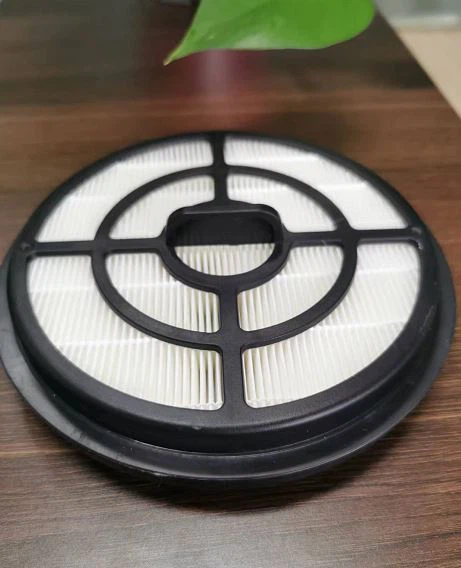


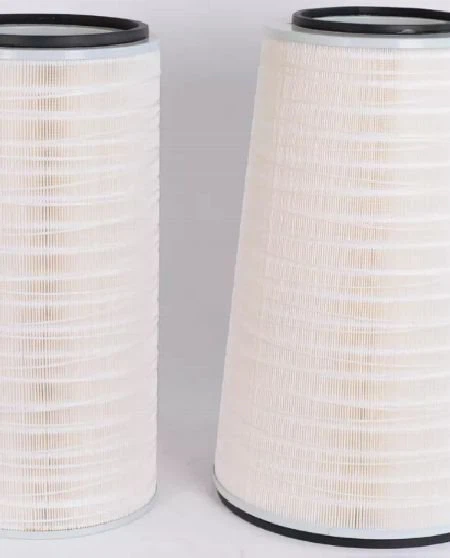

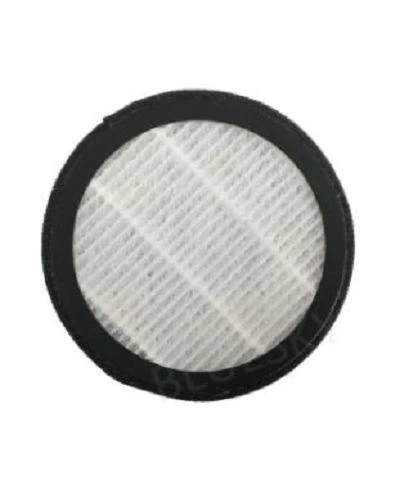


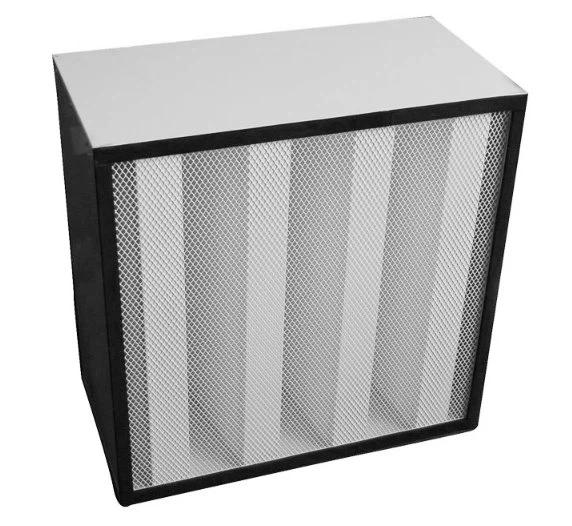

A HEPA filter is a high efficiency pleated air filter capable of capturing extremely small particulate matter down to particles that are the size of a micron (µ), or a micrometer, which is 1/1000th of a meter. They are a common part of air purification systems since they strictly comply with the standards set for pollutant removal.

Benefits of Hepa Cartridge Filters
High-efficiency filtration
Their high efficiency in removing particles from the air. The filter is made up of layers of fine mesh that filter out even the smallest of airborne particles. HEPA filters are known to remove up to 99.97% of particles that are 0.3 microns or larger.
Long-lasting
HEPA cartridge filters are made from high-quality materials, ensuring they are durable and long-lasting. They require infrequent replacement, typically every 12 months, which makes them an affordable and efficient way to improve the air quality inside your vehicle.
Easy to install
HEPA cartridge filters are easy to install, with many of our customers reporting that it takes just a few minutes to install the filter. The filters are also straightforward to remove, making replacement a quick and easy process.
Enhanced air quality
With HEPA cartridge filters installed, car owners can expect to experience a significant improvement in the quality of the air they breathe inside their vehicles. The HEPA filters remove even the smallest of airborne particles that can cause health problems, ensuring the air inside your vehicle is clean and fresh.
Types of Hepa Cartridge Filters
Box / Rigid cell filter
These filters are composed of either a box or rigid cell that is filled with filter media.
Cartridge filter
These filters have a cylindrical housings that contains a fabric or paper filter cartridge. The cartridge is typically replaceable.
Fan filter
Filters made from fiberglass or mesh-type materials and are designed to prevent the accumulation of lint and other large particles around the motor and fan.
Filter mat
Filters made of fibers that trap particles entrained in the flow of air or gas. Common configurations include bulk rolls, pads, and re-loadable frames.
Panel filter
Filters that are typically made of fiberglass or mesh-type materials. They are designed to prevent the accumulation of lint and other large particles in and around heating and ventilation systems.
Pre-filter
Filters positioned before the main filter in a filtration system. These filters reduce particulate loading in the system and allow the filter to operate more efficiently due to lighter particulate loading.
How to Clean Vacuum HEPA Filters
In most cases, you should replace a dirty HEPA filter rather than trying to clean it. By cleaning it, you risk the chance of accidentally ruining the fibers.
Although cleaning a HEPA filter is usually impossible, some charcoal filters specify that you can gently rinse them. You should only attempt to clean a HEPA filter if the manual specifically says you can.
To clean a HEPA washable vacuum filter, you'll need the following:
A sink with warm water
A wastebasket
A towel
Check your vacuum's user manual for specific instructions to remove the filter.
Over a wastebasket, tap the filter to shake out any loose dust or debris.
If the manual permits, rinse the filter in the sink using warm water. Ensure the water runs through the fibers and doesn't get trapped in the filter.
Place the filter on a clean towel and allow it to air dry completely before reinserting it.
Application of HEPA Cartridge Filters
HVAC systems: HEPA cartridge filters are used in HVAC (Heating, Ventilation, and Air Conditioning) systems to remove airborne particles, such as dust, pollen, mold spores, and bacteria, from the air. This helps improve indoor air quality and provides a healthier environment.
Cleanrooms: Cleanrooms in industries such as pharmaceuticals, electronics manufacturing, and biotechnology require extremely clean air with minimal particulate contamination. HEPA cartridge filters are used in cleanrooms to achieve the required air cleanliness levels by removing particles as small as 0.3 microns with high efficiency.
Medical facilities: HEPA cartridge filters are used in hospitals, clinics, and other medical facilities to maintain clean and sterile environments. They help remove airborne pathogens, allergens, and other contaminants, reducing the risk of infections and improving patient safety.
Laboratories: Research laboratories, testing facilities, and scientific institutions use HEPA cartridge filters to maintain clean air quality and prevent cross-contamination. These filters help protect sensitive equipment, samples, and experiments from airborne particles and contaminants.
Aerospace and automotive industries: HEPA cartridge filters are used in aerospace and automotive manufacturing processes to ensure clean air in paint booths, cleanrooms, and other critical areas. They help remove particles that can affect the quality of finishes, coatings, and precision components.
Pharmaceutical and biotechnology industries: HEPA cartridge filters are essential in pharmaceutical and biotechnology manufacturing facilities to maintain sterile environments and prevent contamination. They are used in cleanrooms, isolators, and other critical areas to remove particles and microorganisms.
Nuclear power plants: HEPA cartridge filters are used in nuclear power plants to filter and remove radioactive particles from the air. These filters play a crucial role in maintaining a safe working environment for personnel and preventing the release of radioactive contaminants.
Data centers: Data centers require clean air to protect sensitive electronic equipment from dust and other contaminants. HEPA cartridge filters are used in data centers to remove particles and maintain optimal air quality for the reliable operation of servers and networking equipment.
Filter media: The filter media is the heart of a HEPA cartridge filter. It is typically made of a dense mat of fine fibers, such as fiberglass, synthetic polymers, or a combination of both. The filter media is designed to capture and retain airborne particles, including dust, pollen, mold spores, bacteria, and other contaminants.
Frame: The frame of a HEPA cartridge filter provides structural support and holds the filter media in place. It is usually made of a rigid material, such as metal or plastic, and is designed to fit securely into the filter housing or system.
Pleats: HEPA cartridge filters often have pleated filter media to increase the surface area available for filtration. Pleating the filter media allows for more efficient particle capture and extends the filter's lifespan by reducing airflow resistance.
Gaskets and seals: Gaskets and seals are used to ensure a tight and secure fit between the HEPA cartridge filter and the filter housing or system. They prevent air bypass and ensure that all the air passing through the filter media is effectively filtered.
End caps: The end caps of a HEPA cartridge filter are attached to the frame and provide a connection point for the filter within the filtration system. They are typically made of durable materials and may include features such as handles or latches for easy installation and removal.
Support grid: Some HEPA cartridge filters include a support grid, which is a mesh-like structure that provides additional support to the filter media. The support grid helps maintain the shape and integrity of the filter media, especially in high-velocity airflow applications.
Pre-filters: In some cases, HEPA cartridge filters may have pre-filters positioned before the HEPA filter media. Pre-filters capture larger particles and help extend the lifespan of the HEPA filter by reducing the load on the main filter media.
What Types of Particles Can HEPA Cartridge Filters Capture?
Dust and dust mites: HEPA filters can capture fine dust particles and dust mite allergens, which are common indoor pollutants.
Pollen: HEPA filters can capture pollen particles, helping to reduce allergies and respiratory irritation caused by pollen.
Pet dander: HEPA filters can capture pet dander, which is a common allergen for people with pet allergies.
Mold spores: HEPA filters can capture mold spores, helping to improve indoor air quality and prevent mold-related health issues.
Bacteria and viruses: HEPA filters can capture airborne bacteria and viruses, reducing the risk of respiratory infections.
Smoke and odors: While HEPA filters are not specifically designed to capture smoke particles or odors, they can help reduce their presence in the air by capturing some of the smaller particles associated with smoke and odors.
Fine particulate matter (PM2.5): HEPA filters are highly efficient at capturing fine particulate matter, including PM2.5 particles, which are small particles with a diameter of 2.5 micrometers or less. These particles can come from sources such as vehicle emissions, industrial pollution, and combustion processes.
An important part of any filtration system is the filter's micron rating. It helps determine the amount and size of debris that gets filtered or removed from liquids. Micron ratings can give important information in their number alone. Being able to effectively read and understand micron ratings allows you to easily decide between different filtration options. Below, we have provided information about several common micron ratings used in industrial strength filtration systems.
5 Micron
Filters with a 5 micron rating remove a large amount of debris from liquid. While there are other, smaller micron ratings, those filters below 5 micron are prone to intense clogging or quick debris buildup. The smaller the micron rating, the faster the filter fills up. To prevent clogging, it is sometimes suggested to use more than one filter when there are a lot of particles, dirt, and debris to be filtered. A 5 micron rating works well in many industries, including the food and beverage industry.
10 Micron
This rating filters a little less than the 5 micron rating. Filters with a 10 micron rating can remove some unseen materials from liquid but not bacteria or viruses. However, 10 micron is still very small and can benefit many industries, from oil to chemical plants, because of their ability to filter so much. Like the micron ratings lower than this, 10 micron rated filters tend to clog quickly.
25 Micron
This micron rating has the ability to filter out anything larger than the size of a white blood cell. The 25 micron filters work well in chemical processing industries, as well as many others due to their ability to filter small particles without clogging badly. When paired with other filters they become even more efficient. This is the largest micron size that we offer that filters debris that cannot be seen by the human eye.
50 Micron
A rating of 50 micron is the perfect cross between some of the much smaller micron ratings and the larger ones. Filters that are 50 micron only filter out particles that can be seen with the human eye. Still, this rating is able to filter debris the size of the diameter of human hair and larger. The main benefit for this micron rating is that it filters a lot from liquid without the clogging issues that come with smaller microns. The versatility of this rating makes it popular in many industries.
Where Did the HEPA Filter Come From?
While the invention of the HEPA filter isn't linked to any one person in particular, we might actually be able to attribute its existence to the atomic bomb. Fiber-based air filters were originally created as a part of the Manhattan Project, the initiative that created and tested the first nuclear weapon.
The filters were so effective at removing unwanted toxins that they were actually used to clean the air of radioactive particles.
Later, in the 1960's, two German brothers, Klaus and Manfred Hammes, brought fiber-based filters into people's homes by designing cheap air filters that reduced soot particles produced by coal-fired stoves. Now HEPA filters are used everywhere from manufacturing plants to modern airlines, and even in our own homes.
Look for "True HEPA" Not all filters are created equal. Any filter that claims to be "HEPA-like" or "HEPA type" is not a true HEPA filter, and likely won't perform as well. A "true HEPA" filter has the ability to trap 99.97% of particles down to 0.3 microns in diameter, as defined by the U.S. National Institute of Occupational Safety and Health (NIOSH). For some perspective, a human hair is 50-150 microns in diameter, which means very little gets through an authentic HEPA filter unscathed.


Cases

FAQ
Q: What is the difference between a cartridge filter and a regular filter?
Q: What do cartridge filters remove from water?
Q: How long do cartridge filters last?
Q: Can cartridge filters be cleaned?
Q: What happens if you don't replace filter?
Q: Are cartridge filters good?
Q: Do cartridge filters have a backwash?
Q: How long does it take to change a water filter cartridge?
Q: How do I keep my HEPA filter clean?
Q: Can you clean HEPA filter instead of replacing?
Q: How do you rejuvenate a HEPA filter?
Q: What is the lifespan of a HEPA filter?
Q: Should you run a HEPA filter all the time?
Q: How do I know if my HEPA filter is dirty?
Q: What happens when a HEPA filter gets old?
Q: Do HEPA filters lose effectiveness over time?
Q: Should an air purifier be on the floor?
Q: Why are HEPA filters rarely used in homes?
Q: Should air purifier go on floor or table?
Q: Are HEPA filters worth it?
Hot Tags: hepa cartridge filters, China hepa cartridge filters manufacturers, suppliers, factory, HEPA Activated Carbon Filter, water filter without electricity, small ro water purifier, cordless vacuum with hepa filter, airexpect air purifier, sealed hepa vacuum
You Might Also Like


Send Inquiry
