

Vacuum Brush Roller
Your Leading PURO Purification Technology (Suzhou) Co., Ltd Supplier
PURO Purification Technology (Suzhou) Co., Ltd established in year 2008, is a professional factory specialized in filtration products such as HEPA filters, UEPA filters, Multimedia filters, Brush roller, PU related products etc. PURO covers an area of 2600 square meters with a total investment of 10 million CNY. We have 118 employees now with 6 professional technical engineers and R&D engineers
Why choose us
Quality control
It has testing equipment as well to guarantee the correct specification in the R&D stage and high-quality daily shipments.
Technology support
We have 118 employees now with 6 professional technical engineers and R&D engineers.
Advanced equipment
Equipped with one advanced automatic and two semi-automatic production lines to implement the lean manufactory.
Rich experience
Established in 2008, it has more than 14 years experience industry.


A vacuum cleaner's brush roller also called the beater bar assists in cleaning your carpets and depending on your vacuum model, a variety of floors. The brush roller is usually located under the vacuum cleaner and some in the attachment tool.
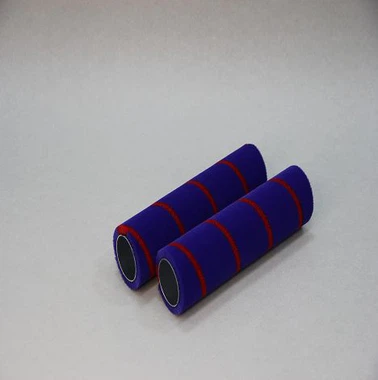
Benefits of Vacuum Brush Roller
Keeps carpets clean
A vacuum brush roller collects all the dirt and dust particles from carpets and floors, ensuring a deeper and thorough cleaning.
Easy to maneuver
Vacuum brush rollers have rotating bristles that can move forward and backward with ease, making it easy to maneuver around tight spots and corners of your home.
Versatile
Vacuum brush rollers can be used on a wide range of surfaces, including carpets, hardwood floors, and tiled floors. They come with different settings, making them versatile enough to use in multiple locations.
Prolongs the life of carpets
A vacuum brush roller can help prolong the life of carpets by removing dirt, dust particles, and pet hair. This prevents the fibers from getting damaged, reducing the risk of wear and tear.
Turbo brush
The turbo brush is a spinning brush that is powered by the suction of the vacuum pulling a small turbine connected to the brush. The spinning brush has bristles that should be used on carpeting because the motion of the brush loosens up dirt and debris that can get caught in carpeting. The brush makes it easier for the suction power of the vacuum to put them dirt into the bag and off the floor.
Powered brushes
This is probably the most common brush for a vacuum. For some uprights it might be the only brush that you can use without going to the attachment hose. The powered brush can be powered by a small motor in the nozzle or by a belt that is attached directly to it from the motor. The brush is usually covered with stiff nylon brushes that can really get into the carpeting and pull up the dirt.
Hardwood floor brushes
If your home primarily has hardwood flooring, this is the tool for you. This is a flat brush with wheels on it that has soft and non-moving bristles. The soft bristles can be used to dust and polish your floor as the vacuum is used.They can also be used on tile and other hard flooring surfaces like linoleum. Since the brushes have no motion there is no danger of them damaging the finish of the floor or leaving scratches over time.
Beater brush roller
This type of brush roller is ideal for cleaning carpets with deep-set dirt. It has a rotating brush that beats the fibers of the carpet, lifting the dirt and removing it effectively.
Top 10 Uses of Vacuum Cleaner for Home Use
Here are the top 10 uses of vacuum cleaner for home use:
Cleaning carpets and rugs
Vacuum cleaners are ideal for cleaning carpets and rugs, as they can remove dirt and dust that is deeply embedded in the fibers.
Cleaning hardwood floors
Many vacuum cleaners come with attachments that allow you to clean hardwood floors without scratching them.
Removing pet hair
Pet hair can be difficult to remove from carpets and furniture, but vacuum cleaners with specialized pet hair attachments can make the task much easier.
Cleaning upholstery
Vacuum cleaners can be used to clean upholstery, removing dirt and dust from sofas, chairs, and other furniture.
Dusting surfaces
Vacuum cleaners with dusting attachments can be used to clean surfaces such as bookshelves, tables, and countertops.
Removing cobwebs
Vacuum cleaners can be used to remove cobwebs from ceilings, corners, and other hard-to-reach areas.
Cleaning curtains and drapes
Many vacuum cleaners come with attachments that allow you to clean curtains and drapes without damaging the fabric.
Cleaning car interiors
Handheld vacuum cleaners are ideal for cleaning the interior of cars, removing dirt, dust, and debris from seats and carpets.
Cleaning air vents
Vacuum cleaners can be used to clean air vents, removing dust and debris that can accumulate over time.
Cleaning tight spaces
Vacuum cleaners with crevice tools can be used to clean tight spaces such as between cushions, along baseboards, and in other hard-to-reach areas.
8 Easy Steps to Clean Your Vacuum Brush Roller
The vacuum brush roller rotates and vibrates against the floors and carpets you are cleaning. To keep it working well you should clean it regularly.
Switch off your machine
Never perform any maintenance work with the vacuum cleaner plugged in and switched on.
Remove the base plate
Remove or open the base plate of the machine. This plate will be held by twist catches or screws and will either be removed altogether or be hinged so that it can swing out of the way.
Remove the brush roller
The brush roller will be held in place by two levers that will swing through 90-degrees or more. The brush roller will simply slide out of its housing bringing with it the drive belt. Slide the drive belt off the roller brush and check it for wear and tear.
Clean the brushes
The brushes that are angled around the brush roller need to be cleaned. This is best done by using the pointed end of a pair of scissors or a knitting needle to remove as much of the dirt and fibers as possible.
Replace the brushes
The brushes on the brush roller can wear out and may need replacing. The brushes fit into specially shaped slots in the roller and can be simply slid out when the bearings have been removed.
Clean the bearings
The bearings of the roller can be unscrewed by holding the bearing at one end and turning the bearing at the other. Often an accumulation of long hairs get caught around the axle through the bearings and makes it a little stiffer to operate. A drop of light machine oil will help lubricate the bearings.
Reassemble the brush roller
The bearings are replaced in the same way you removed them.
Hold one and turn the other. The bearings will fit in only one position with guides to set them in the right position.
The drive belt has to be positioned on the drive spindle which you will be able see behind the brush roller. It is easier to do this before you fit the brush roller into place.
Slide the brush roller under the drive belt.
You will know it is the right way around because a groove in the roller for the drive belt will be in line with the belt.
Replace the brush roller into the slots it came out of.
Clean the base plate
Often the spinning brush roller will fling material at the base plate where it can stick. This can build up into a sizeable deposit so it should be scraped away before you replace the base plate.
Material of Vacuum Brush Roller
Plastic: Plastic bristles are often used in brush rolls for vacuum cleaners because they are durable, lightweight, and relatively inexpensive. They are effective at agitating carpet fibers to release trapped dirt.
Nylon: Nylon bristles are another common choice for vacuum brush rollers. They are strong and have good wear resistance, making them suitable for heavier cleaning tasks.
Wire: Some brush rolls, particularly those designed for heavy-duty cleaning or commercial use, may have wire bristles. These are very durable and effective at agitating stubborn dirt, but they can also be more abrasive and may damage some surfaces.
Rubber: Rubber or soft-bristled brush rolls are often used on hard floors or delicate surfaces to avoid scratching. They are gentle on the surface while still effective at loosening dirt.
Combination materials: Some brush rolls may use a combination of materials, such as plastic and nylon, to balance durability, cleaning effectiveness, and cost.
Components of Vacuum Brush Roller
Brush roll bristles
The bristles are the primary cleaning elements of the brush roll. They are typically made of plastic, nylon, rubber, or wire, depending on the cleaning application and surface type. The bristles rotate and agitate the carpet or rug fibers to release dirt and debris.
Rotating shaft
The shaft rotates the brush roll bristles. It is connected to an electric motor in the vacuum cleaner and rotates at a high speed during operation. The shaft is typically made of metal or plastic and is designed to rotate smoothly and evenly.
Bearings and supports
Bearings and supports are used to ensure the brush roll bristles rotate freely without binding or excessive wear. They are made of metal, plastic, or other durable materials and are designed to withstand the rotational forces and abrasion from dirt and debris.
Mounting hardware
The brush roll is secured to the vacuum cleaner using mounting hardware such as screws, clips, or brackets. This allows the brush roll to be easily installed, replaced, or adjusted as needed.
Electrical connections
If the brush roll is motorized, it requires electrical connections to supply power to the motor. These connections typically include wires, contacts, and sometimes a speed controller to regulate the rotation speed of the brush roll.
Detergent injection system
If the vacuum cleaner is equipped with a detergent injection system, there are components that deliver detergent to the brush roll for enhanced cleaning performance. These components can include detergent reservoirs, pumps, and spray nozzles that distribute the detergent evenly over the brush roll.
Surface type: Determine what type of surface you'll be cleaning. For carpets and rugs, a brush roll made of plastic or nylon bristles is typically suitable. For hard floors, a rubber-tipped brush roll is usually preferred.
Cleaning purpose: Determine if you need a brush roll for light or heavy-duty cleaning. Heavier-duty applications may require stronger, more durable bristles like nylon or wire.
Detergent use: If you use detergent or other cleaning solutions with your vacuum, choose a brush roll that is compatible with these products. Some materials may be more prone to damage from certain solutions.
Durability: Consider the durability of the brush roll material. Plastic and nylon bristles are typically more durable than rubber or wire, but rubber can be more gentle on delicate surfaces.
Cost: Compare prices among different types of brush rolls. A higher-quality brush roll made of durable materials may cost more, but it can also last longer and provide better cleaning performance.
Vacuum model compatibility: Make sure the brush roll you choose is compatible with your specific vacuum cleaner model. Some models may require a specific type or size of brush roll.
Customer reviews: Read customer reviews to get feedback on different brands and models of vacuum brush rolls. This can give you insights into real-world experiences and help you identify any potential issues or concerns with specific products.
How Do You Fix a Vacuum Brush Roll?
Brush roll bristles worn or frayed
If the bristles of the brush roll are worn or frayed, they may not clean effectively. You can try replacing the brush roll or replacing the bristles if they are detachable. If the bristles are integral to the brush roll, you may need to replace the entire brush roll.
Brush roll not rotating
If the brush roll isn't rotating, it may be due to a motor problem, bearing issue, or other mechanical fault. It's important to inspect the electrical connections and make sure the motor is working properly. If the bearings or supports are damaged or dirty, they may need to be replaced or cleaned.
Brush roll not securely mounted
If the brush roll is not securely mounted to the vacuum cleaner, it may vibrate or move during operation, causing it to function improperly. Check the mounting hardware and make sure it is securely fastened.
Detergent injection system issues
If your vacuum has a detergent injection system and it's not working properly, it could be due to a clogged detergent line, a malfunctioning pump, or other issues. Check the detergent line for blockages and clean it if necessary. If the pump is malfunctioning, it may need to be repaired or replaced.


Cases

FAQ
Q: What do you use a vacuum brush for?
Q: What is the use of brush roll?
Q: What are the applications of vacuum cleaner?
Q: What is a brush roll vacuum?
Q: Should I use vacuum with brush roll on carpet?
Q: Should you use vacuum brush on carpet?
Q: Is brush roll for carpet or hardwood?
Q: Is it better to paint the floor with a roller or brush?
Q: What is the most important thing in a vacuum cleaner?
Q: How often should you replace vacuum brush roller?
Q: Why do people put baking soda on carpet before vacuuming?
Q: Why is my new carpet so hard to vacuum?
Q: What should I sprinkle on my carpet before vacuuming?
Q: Which vacuum brush to use on carpet?
Q: What is the first thing to do before vacuuming a carpet?
Q: What is the best way to brush a carpet?
Q: Is a vacuum better for hard floors or carpet?
Q: Why is my vacuum scratching my floor?
Q: How many times can you reuse a roller brush?
Q: What is the best type of roller to use?
As one of the leading vacuum brush roller manufacturers and suppliers in China, we warmly welcome you to buy custom vacuum brush roller made in China here from our factory. All OEM&ODM products are with high quality and competitive price.
water filter for microplastics, clearsource water filter, nirnal portable water filter